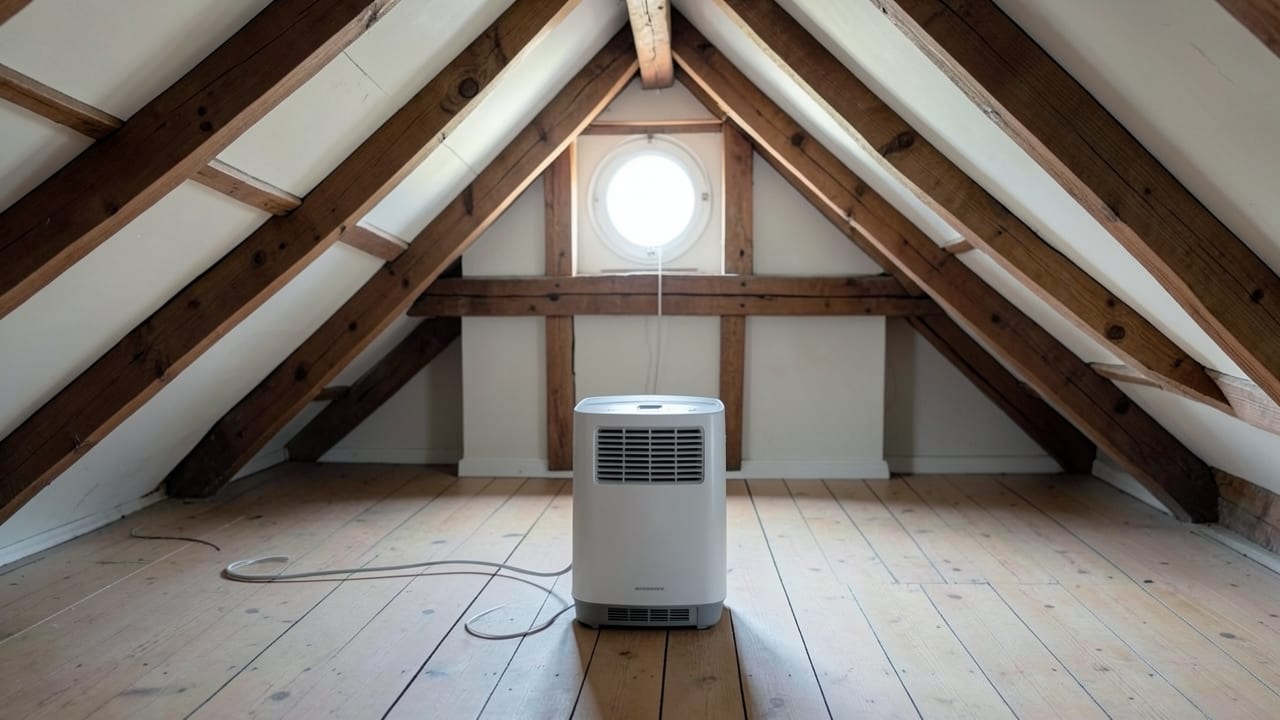
Salt Air Mold Remediation
Professional mold assessment, containment, removal, and prevention in affected areas of the home.
Salt Air Mold Remediation in Indian Rocks Beach specializes in addressing fungal growth caused by moisture in coastal homes. Using controlled containment, HEPA filtration, and thorough drying, the process targets hidden mold behind walls or under flooring, preventing spore spread and restoring affected areas safely.
When mold remediation is needed
In Indian Rocks Beach’s humid climate, mold can grow rapidly behind walls, under flooring, or in HVAC systems. Visible signs like mold covering more than a small patch, recurring growth after cleaning, or a musty smell—especially when the HVAC runs—often indicate a deeper issue requiring professional removal.
We also handle Attic Mold Remediation and Commercial Mold Remediation for Indian Rocks Beach properties.
Hidden moisture sources, such as leaks, poor airflow, or grading problems, can cause mold to return if not addressed. Rooms that stay damp, like windowless bathrooms or closets, are high-risk areas where mold may persist without proper ventilation or drying.
Signs You May Need Mold Remediation
- Mold covers more than a small, isolated patch (typically over 25 contiguous square feet).
- Growth returns in the same spot after cleaning, suggesting a moisture source wasn’t fixed.
- A musty smell is present with no visible mold, often indicating hidden growth in walls or ducts.
- HVAC system circulation worsens the odor, suggesting mold is spreading through ductwork.
What affects cost and scope
Pricing for mold remediation in Indian Rocks Beach varies based on the size of the affected area, the type of mold, and whether hidden contamination requires structural work. Black mold cases or extensive hidden growth typically increase costs beyond standard rates.
Containment, HEPA filtration, and clearance testing are critical steps that may be priced separately. A full remediation job includes inspection, removal, drying, and post-work verification, but some quotes exclude these steps—always confirm what’s included before comparing bids.
Avoiding common mistakes
Skipping containment or using non-HEPA equipment can spread spores to unaffected areas, turning a small job into a larger one. Proper containment seals off the work zone, while HEPA filtration ensures spores are captured—not recirculated—during removal.
Fixing the moisture source is just as important as removing the mold. Without addressing leaks, condensation, or grading issues, mold will likely return. Post-remediation checks, like monitoring humidity or airflow in previously affected rooms, help prevent recurrence.
Avoid bids with no written scope of work, pressure to sign during the inspection, or requests for full payment upfront. Always verify that containment, HEPA filtration, and independent clearance testing are included.
How salt air mold remediation works
This process ensures mold is removed safely and thoroughly while preventing spore spread.
- 1Containment Setup
Plastic sheeting and negative-air machines seal the affected area, trapping spores inside the work zone before any materials are disturbed.
- 2Mold Removal
Porous materials like drywall or carpet padding are cut out and bagged, while non-porous surfaces are scrubbed and treated to prevent regrowth.
- 3HEPA Filtration and Drying
HEPA air scrubbers run continuously during removal, and industrial dehumidifiers dry structural materials to normal moisture levels before containment is removed.
- 4Clearance Testing
An independent lab tests air or surfaces post-remediation to confirm spore counts are within normal ranges before the area is considered finished.
Frequently asked questions
How do I know if my mold problem is serious enough to need professional remediation?
If mold covers more than 25 square feet, keeps returning after cleaning, or you notice a musty smell with no visible growth, these are signs professional removal is needed. Hidden moisture sources often require structural work to prevent recurrence.
Why is containment so important during mold removal?
Containment prevents spores from spreading to unaffected areas during removal. Without it, disturbed mold can drift through hallways or HVAC systems, turning a contained job into a larger cleanup.
What should I do to prevent mold from coming back after remediation?
Fix the moisture source—like leaks or poor airflow—and monitor humidity in the affected room for the first year. Using fans or dehumidifiers in damp areas can also help prevent regrowth.
Do I need to leave the house during mold remediation?
While not always required, some homeowners choose to leave during removal to avoid exposure to airborne spores, even with containment. Ask your remediation team for guidance based on your specific job.
Where Indian Rocks Beach sits, and what the Census lists nearby
Indian Rocks Beach sits in Florida, and the closest places listed in the U.S. Census Gazetteer are Harbor Bluffs (1.5 miles northeast), Belleair Shore (1.5 miles north), Belleair Bluffs (2.3 miles northeast), Ridgecrest (2.5 miles east).
Within 25 miles of Indian Rocks Beach the same source lists 49 distinct incorporated places and census-designated places.
Those figures matter for salt air mold remediation because they are straight-line distances between Census coordinate points: road mileage between Indian Rocks Beach and Harbor Bluffs runs longer than the 1.5 miles shown, which is why quotes for the same job differ between towns that look close together on a map.
Source: U.S. Census Bureau Gazetteer.
See Treasure Island, FL for more, or take a look at every option available in Indian Rocks Beach by service type for our complete lineup.
Ready to get started?
Talk to a local mold remediation pro in Indian Rocks Beach — get a written quote.
Other Mold Remediation Services in Indian Rocks Beach
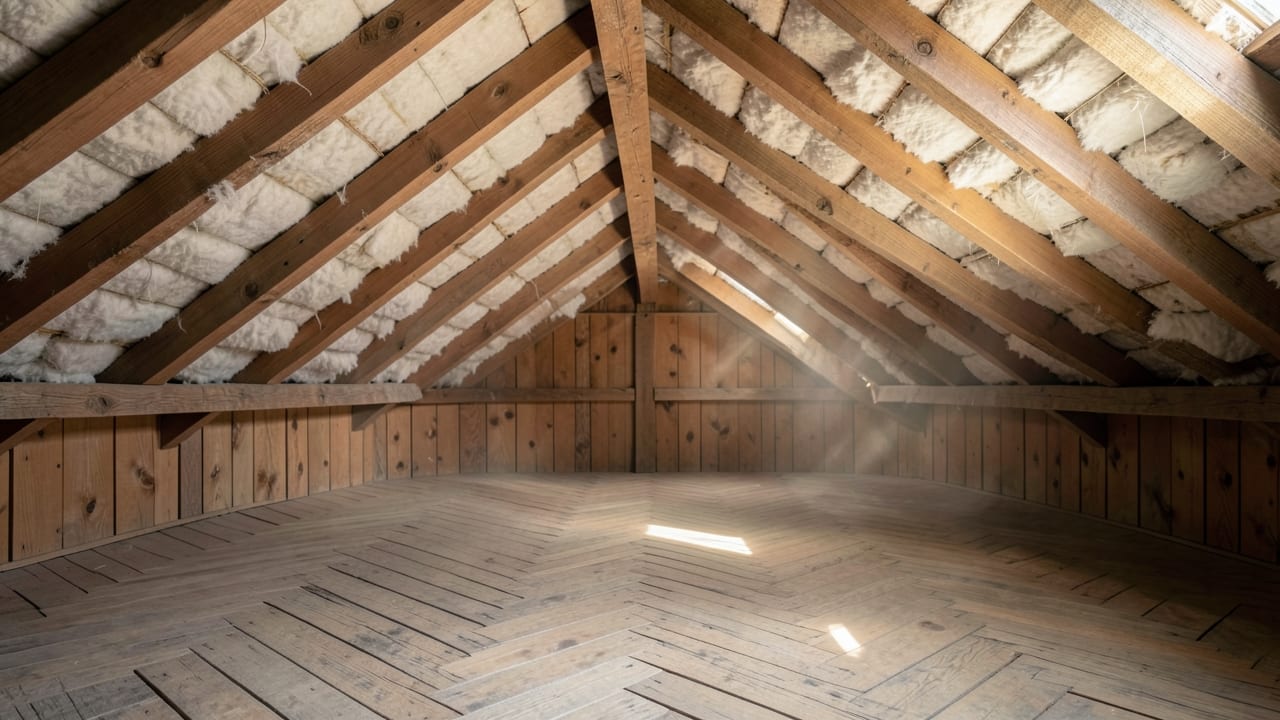
Attic Mold Remediation in Indian Rocks Beach, FL
Attic mold remediation in Indian Rocks Beach, FL addresses roof-deck growth typically caused by poor ventilation or a hidden roof leak.
Learn More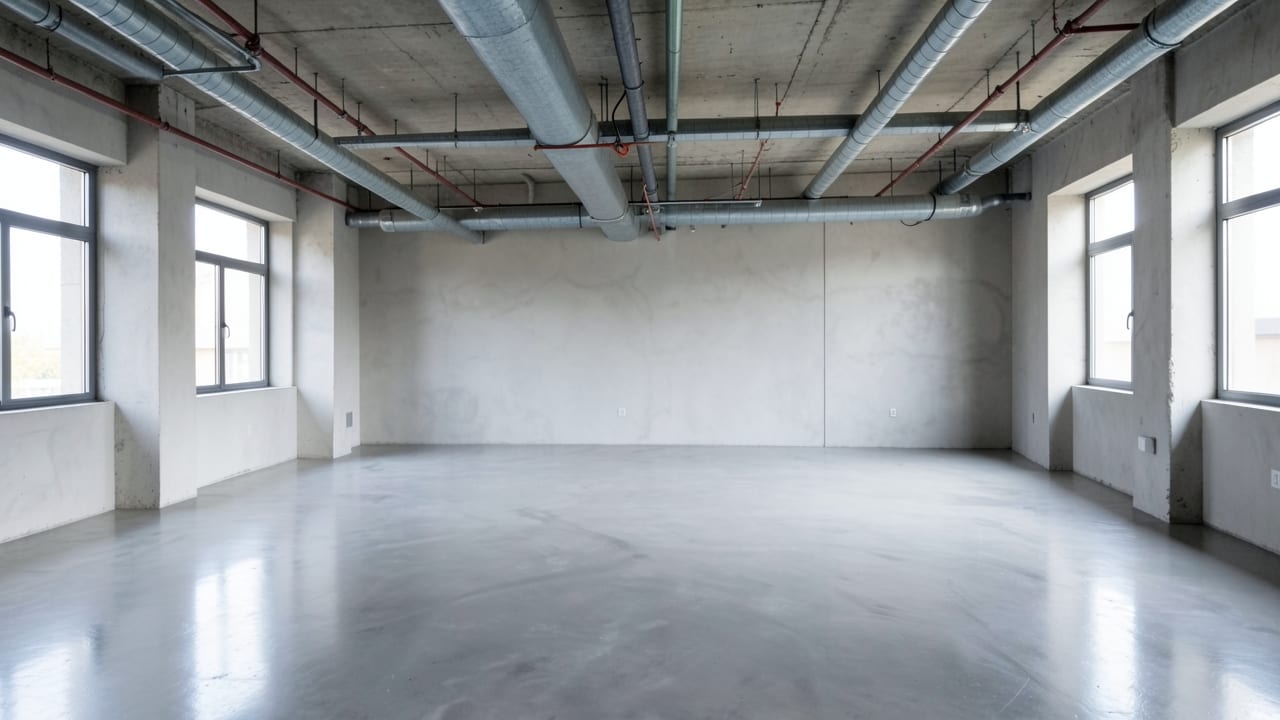
Commercial Mold Remediation in Indian Rocks Beach, FL
Commercial mold inspection and remediation in Indian Rocks Beach, FL for offices, retail space, and multi-unit properties, scheduled around business operations.
Learn More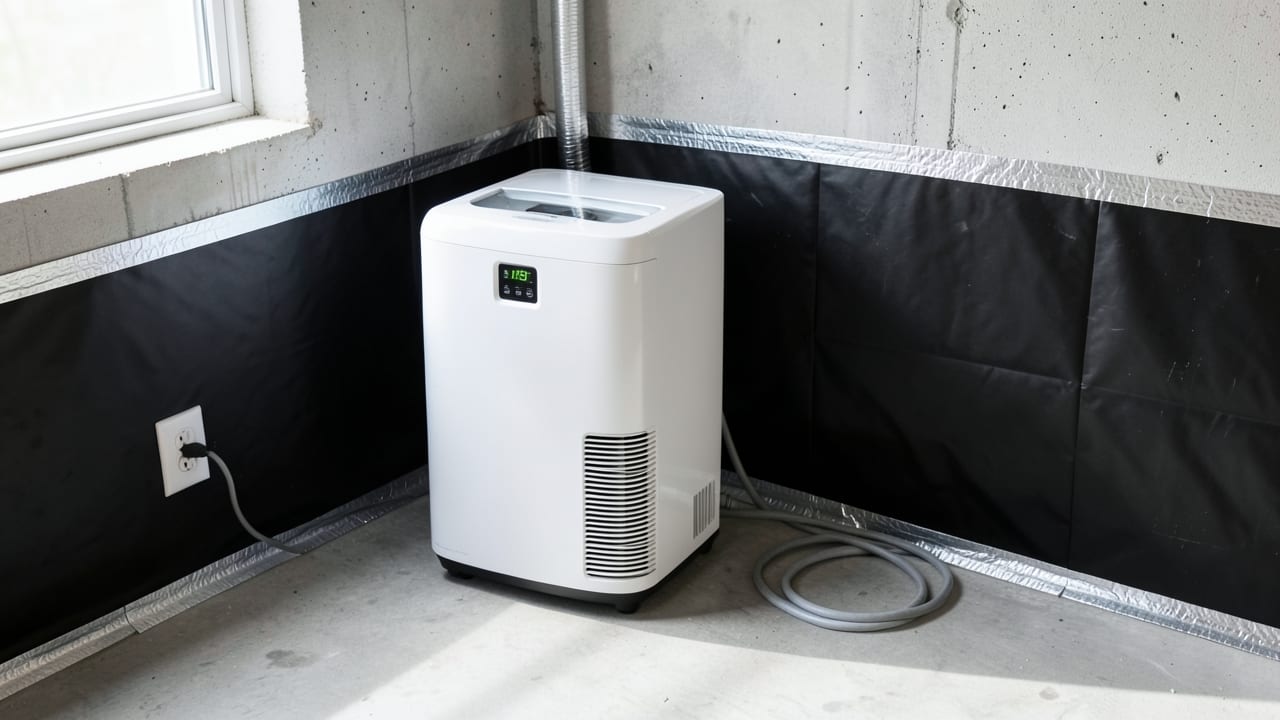
Mold Prevention & Moisture Control in Indian Rocks Beach, FL
Mold prevention and moisture control in Indian Rocks Beach, FL — addressing ventilation, humidity, and drainage before growth starts, not after.
Learn More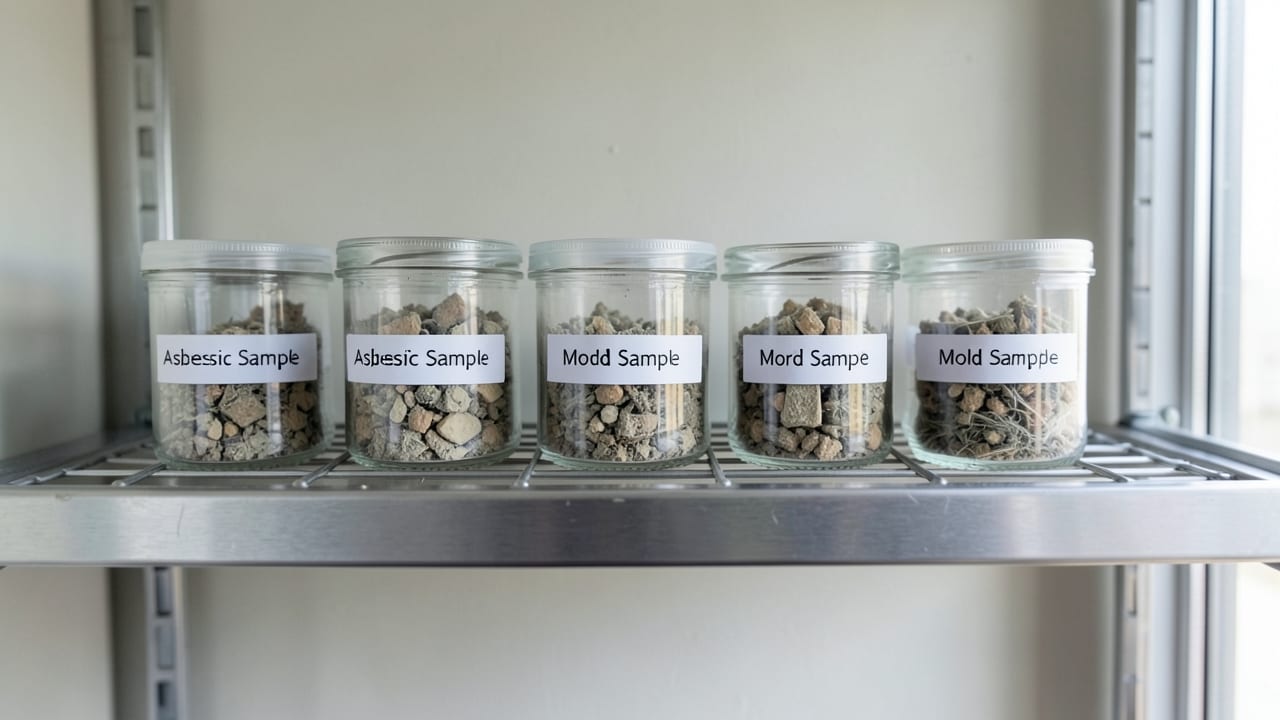
Mold & Asbestos Testing in Indian Rocks Beach, FL
Combined mold and asbestos testing in Indian Rocks Beach, FL — one inspection visit, lab-verified results for both.
Learn More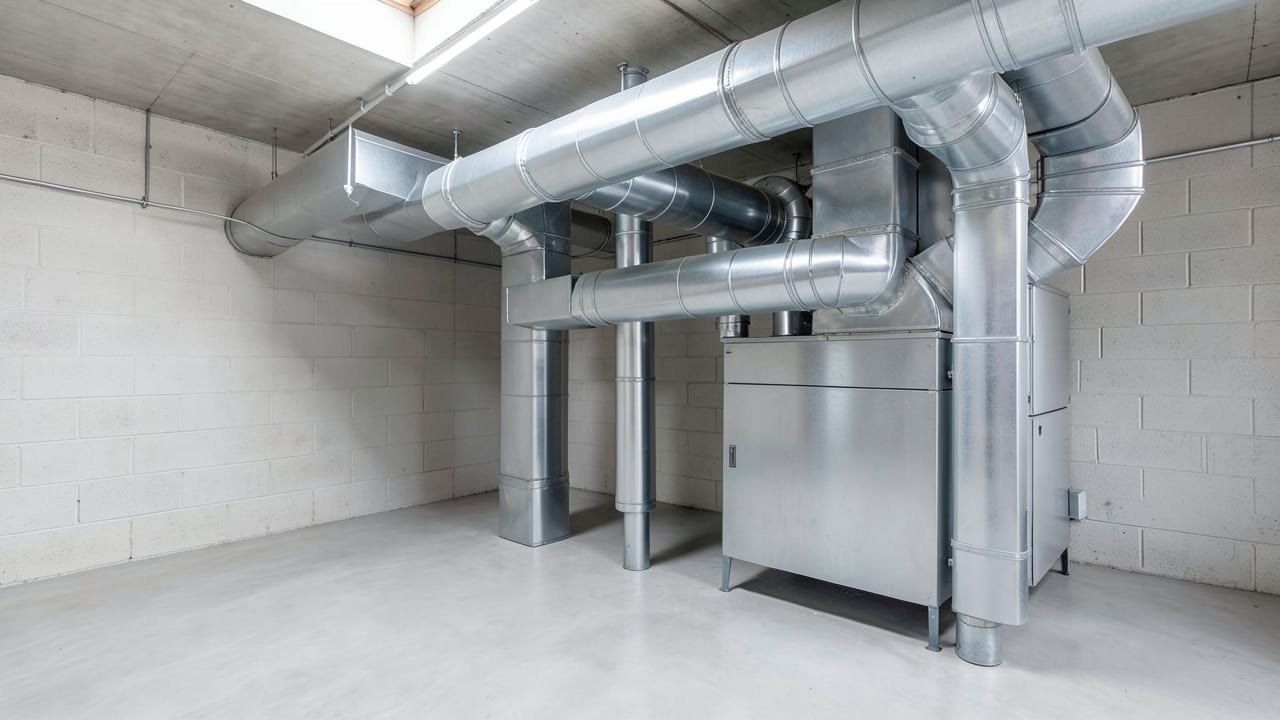
HVAC Mold Remediation in Indian Rocks Beach, FL
HVAC and ductwork mold remediation in Indian Rocks Beach, FL — mold growing inside the air handler or duct system, spreading through every vent.
Learn More
Plaster Mold Remediation in Indian Rocks Beach, FL
Professional removal and treatment of mold from plaster surfaces in homes.
Learn MoreCommon Questions About Mold Remediation in Indian Rocks Beach
Everything you need to know about mold remediation services in Indian Rocks Beach
How much does Salt Air Mold Remediation typically cost in Indian Rocks Beach, FL?
Why does Indian Rocks Beach, FL's humidity make mold a bigger risk than in drier regions?
Can small mold problems be handled without hiring anyone?
What's the actual difference between mold removal and mold remediation?
Is a final clearance test part of a typical mold remediation job?
How does mold remediation actually prevent the problem from coming back?
Need Mold Remediation in Indian Rocks Beach?
Connect with local providers in Indian Rocks Beach for a detailed quote.
⏰ We answer your call • Serving all of Indian Rocks Beach and surrounding areas