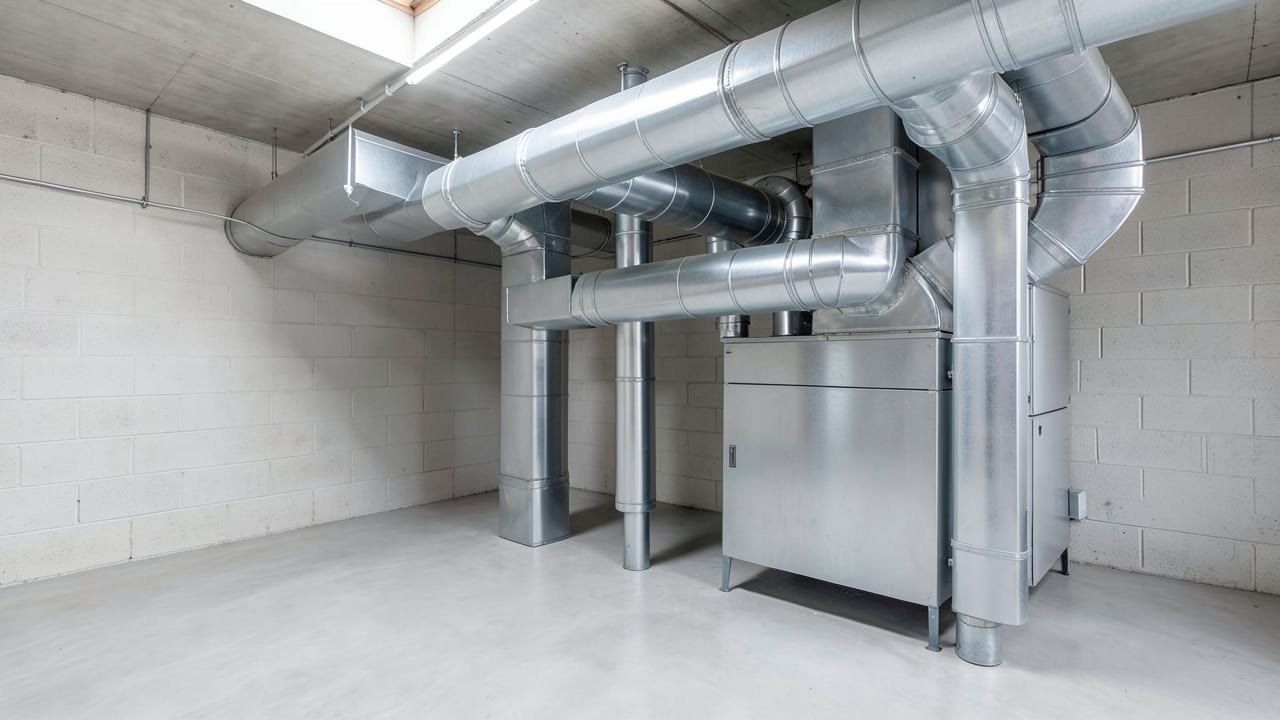
HVAC Mold Remediation
HVAC and ductwork mold remediation in Indian Rocks Beach, FL — mold growing inside the air handler or duct system, spreading through every vent.
HVAC mold remediation in Indian Rocks Beach, FL targets mold growing inside ductwork or air handlers, where it spreads spores through every room in your home each time the system runs.
Unlike surface mold, HVAC contamination requires professional containment, removal, and drying to prevent regrowth and airborne spread. Florida’s strict licensing rules ensure licensed remediators follow state-mandated protocols for safe cleanup.
We also handle Pre-Winter Mold Prevention and Spring Mold Inspection for Indian Rocks Beach properties.
When HVAC mold remediation is needed
Mold inside your HVAC system often goes unnoticed until you see signs like black or greenish growth on vents, air filters, or around registers. A musty smell that worsens when the system turns on is another red flag, as spores circulate through ductwork.
If mold keeps returning after cleaning or covers more than a small area, professional remediation is necessary to avoid hidden regrowth.
Florida law treats mold covering 25+ contiguous square feet as requiring a licensed remediator. Since HVAC mold spreads through air circulation, even small patches inside ducts can contaminate entire rooms. Skipping professional cleanup risks spreading spores, making the problem larger and more costly to fix later.
Signs Your HVAC System Needs Mold Remediation
- Musty smell that gets stronger when the HVAC runs (indicates spores in ductwork)
- Visible mold on vents, filters, or around registers (black, green, or gray growth)
- Mold keeps returning after cleaning (suggests a hidden moisture source or improper removal)
- Allergies or respiratory issues worsen when the system is on (spores circulating in air)
- Mold covers more than a small, isolated patch (Florida’s 25 sq. ft. threshold for professional work)
What affects pricing and timeline
Pricing for HVAC mold remediation in Indian Rocks Beach typically ranges between $10–$25 per square foot of treated area, with black mold cases running 15–25% higher due to stricter containment and disposal requirements.
The total cost depends on the size of the contaminated area, whether porous materials (like insulation) must be removed, and whether hidden mold is found during cleanup.
Timelines vary based on containment setup, drying time, and clearance testing. A standard job may take 2–5 days, while complex cases—like extensive ductwork contamination—can extend to a week or more. Industrial dehumidifiers and air movers are used to dry structural materials before the space is sealed back up.
Why containment and testing matter
Containment is critical during HVAC mold remediation to prevent spores from spreading to unaffected areas. Plastic sheeting and negative-air machines seal the work zone, while HEPA-filtered air scrubbers run continuously to capture airborne spores. Without proper containment, a small job can turn into a full-house contamination issue.
Clearance testing—conducted by an independent lab after remediation—confirms spore levels are back to normal before the space is released. Florida law prohibits the same company from assessing *and* remediating the same property within 12 months, ensuring unbiased testing. Skipping this step leaves no proof the mold was fully removed.
A torn plastic barrier, open doors, or failed negative-air pressure lets spores escape into hallways and other rooms. This turns a contained job into a larger, more expensive cleanup. Always verify containment is fully sealed before work begins.
How HVAC mold remediation works
Professional remediation follows strict steps to safely remove mold from ductwork and air handlers.
- 1Containment Setup
Plastic sheeting and negative-air machines seal the work area to trap spores. HEPA air scrubbers run continuously to filter airborne particles, preventing spread to other rooms.
- 2Mold Removal
Porous materials (like insulation or drywall) that absorb mold are cut out and bagged. Non-porous surfaces (metal ducts, tile) are scrubbed and treated to prevent regrowth.
- 3Structural Drying
Industrial dehumidifiers and air movers dry framing and subfloors to normal moisture levels. Mold regrows on damp materials, so drying is essential before sealing the space.
- 4Clearance Testing
An independent lab tests air or surfaces for remaining spores. Results confirm the space is safe before containment is removed and normal use resumes.
- 5Moisture Source Fix
The root cause—like leaks, condensation, or poor grading—must be addressed to prevent future mold. Without fixing the source, regrowth is likely within months.
Frequently asked questions
Can I clean HVAC mold myself, or do I need a professional?
DIY cleanup is risky for HVAC mold because spores spread through air circulation. Florida law requires licensed remediation for mold covering 25+ square feet, and improper removal can worsen contamination. Professionals use containment, HEPA filtration, and clearance testing to ensure safe cleanup.
How long does it take to remediate mold in the HVAC system?
Timelines vary by job size and complexity, but most remediations take 2–5 days. This includes containment setup, removal, drying, and clearance testing. Hidden mold or extensive ductwork contamination may extend the process.
Will my insurance cover HVAC mold remediation?
Coverage depends on your policy and whether the mold was caused by a covered event (like a leak). Some insurers exclude pre-existing mold or require proof of the moisture source. Check with your provider before assuming coverage.
How do I know if the remediation worked?
Independent clearance testing confirms spore levels are back to normal. Without this step, there’s no way to verify the mold was fully removed. Florida law also prohibits the same company from assessing *and* remediating the same property within 12 months, ensuring unbiased results.
Where Indian Rocks Beach sits, and what the Census lists nearby
Indian Rocks Beach sits in Florida, and the closest places listed in the U.S. Census Gazetteer are Harbor Bluffs (1.5 miles northeast), Belleair Shore (1.5 miles north), Belleair Bluffs (2.3 miles northeast), Ridgecrest (2.5 miles east).
Within 25 miles of Indian Rocks Beach the same source lists 49 distinct incorporated places and census-designated places.
Those figures matter for hvac mold remediation because they are straight-line distances between Census coordinate points: road mileage between Indian Rocks Beach and Harbor Bluffs runs longer than the 1.5 miles shown, which is why quotes for the same job differ between towns that look close together on a map.
Source: U.S. Census Bureau Gazetteer.
See Harbor Bluffs, FL for more, or browse how our Indian Rocks Beach crew can help across the area for our complete lineup.
Ready to get started?
Talk to a local mold remediation pro in Indian Rocks Beach — get a written quote.
Other Mold Remediation Services in Indian Rocks Beach
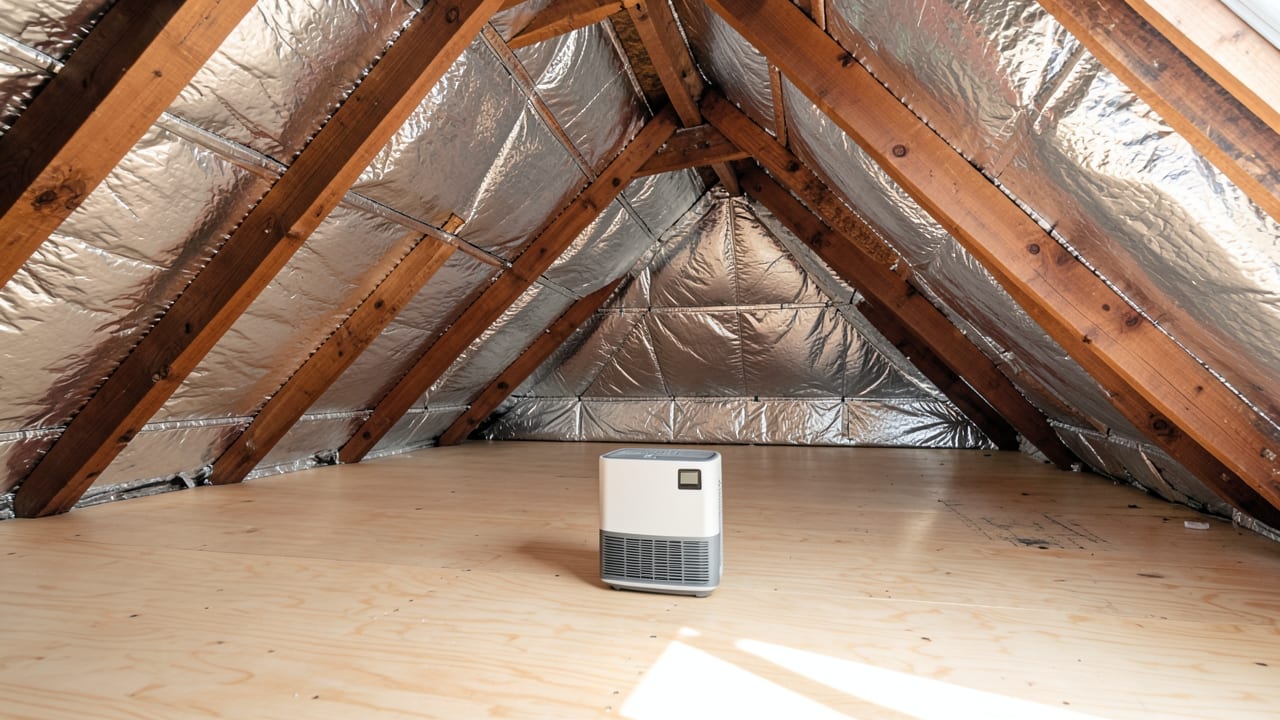
Pre-Winter Mold Prevention in Indian Rocks Beach, FL
Pre-winter mold prevention involves inspection and treatment to stop mold growth before cold weather.
Learn More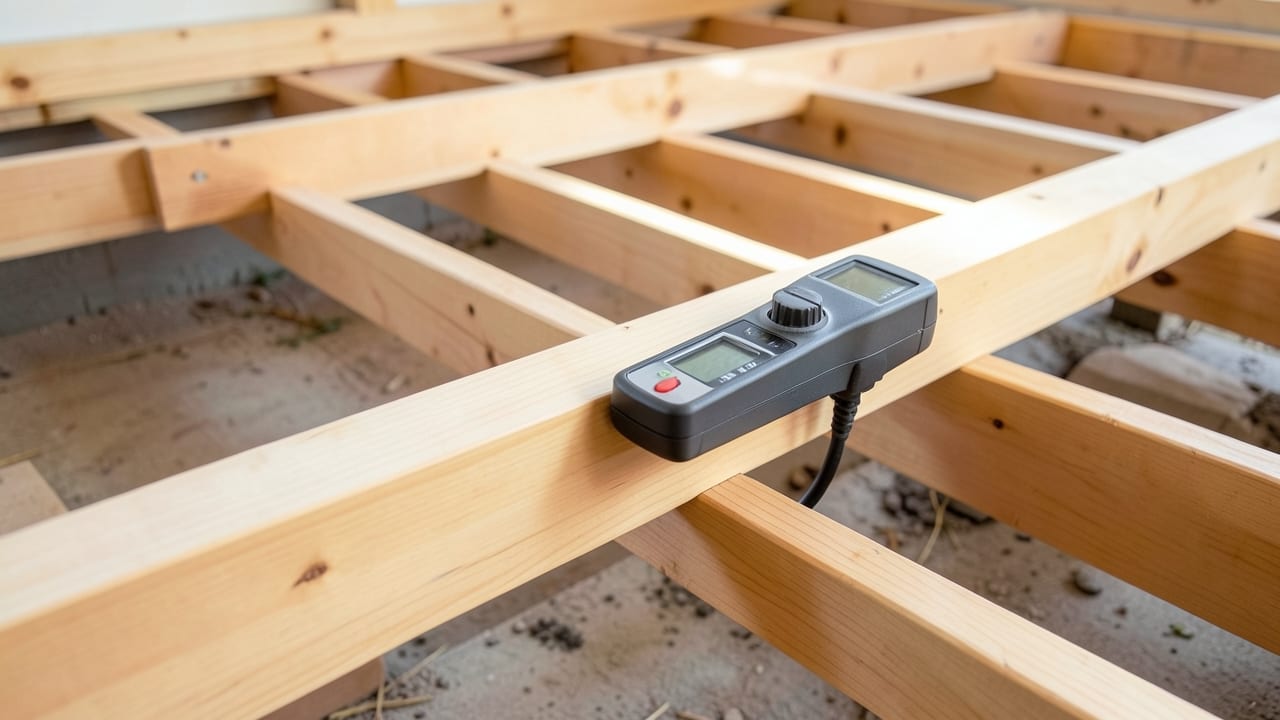
Spring Mold Inspection in Indian Rocks Beach, FL
Professional assessment and identification of mold growth in homes.
Learn More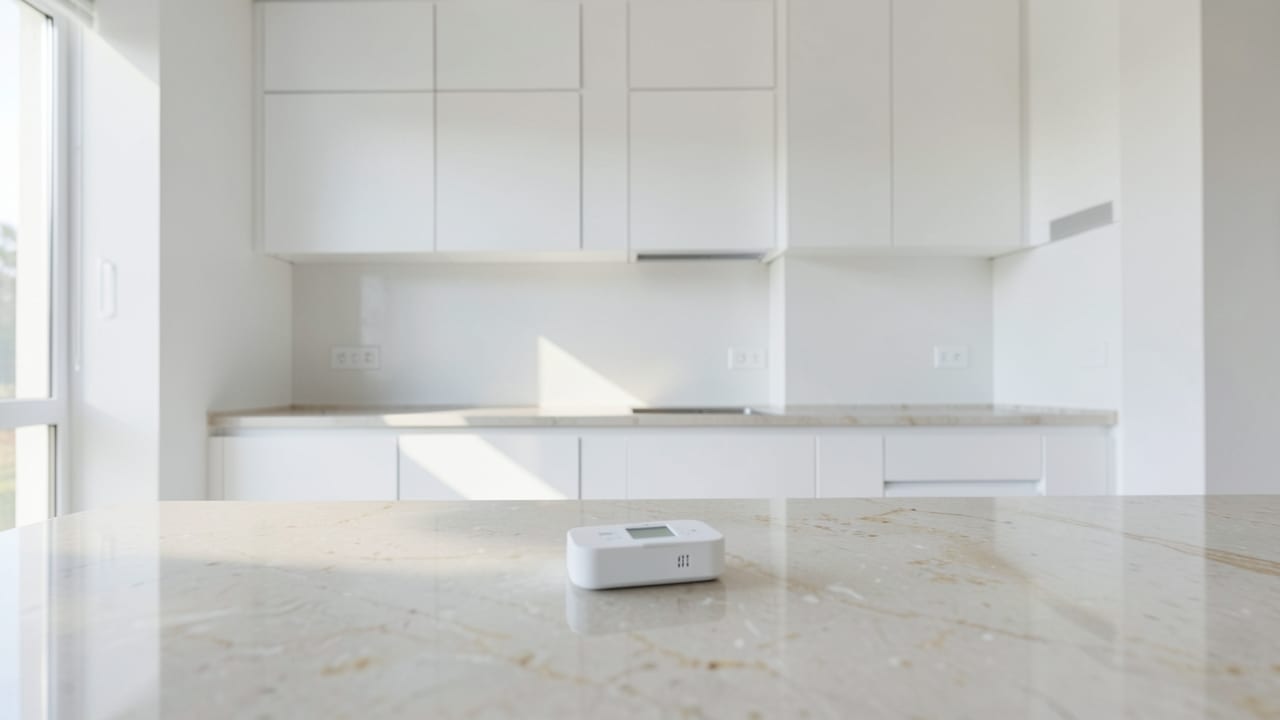
Move-In Mold Assessment in Indian Rocks Beach, FL
Professional inspection and assessment of mold presence before moving into a property.
Learn More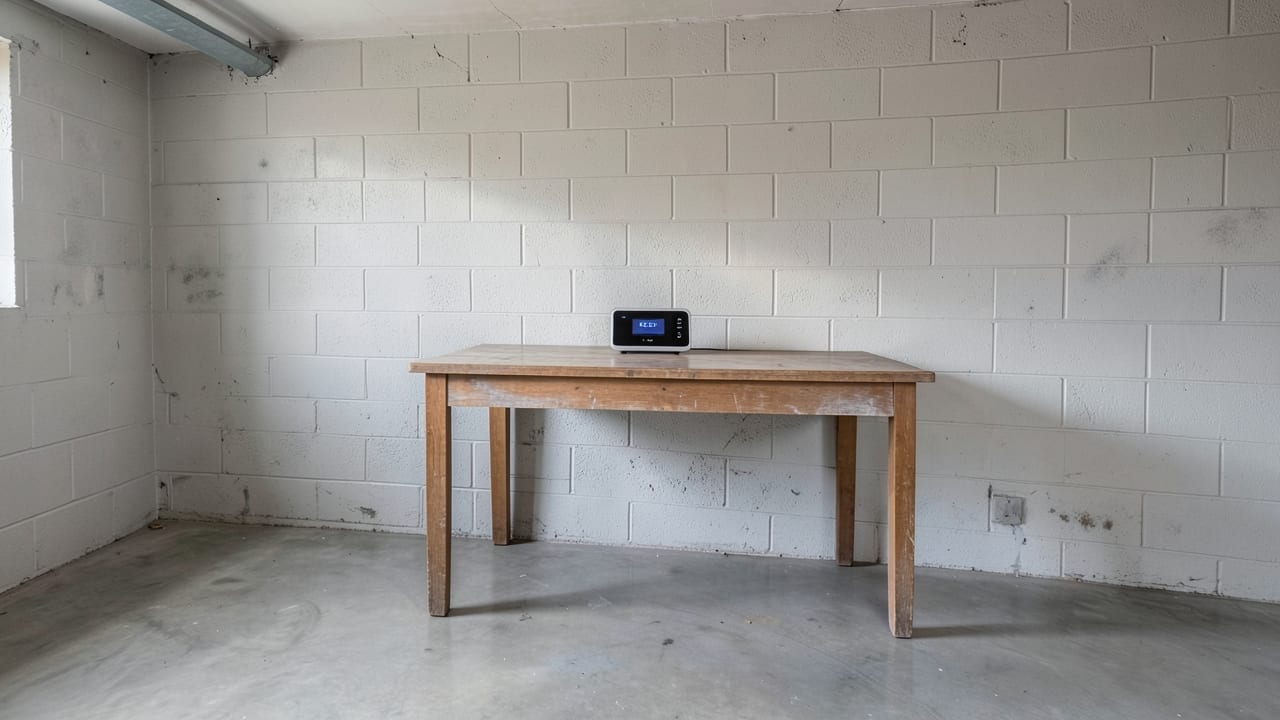
Pre-Sale Mold Clearance in Indian Rocks Beach, FL
Pre-sale mold clearance involves inspection and testing to confirm a property is mold-free before purchase.
Learn More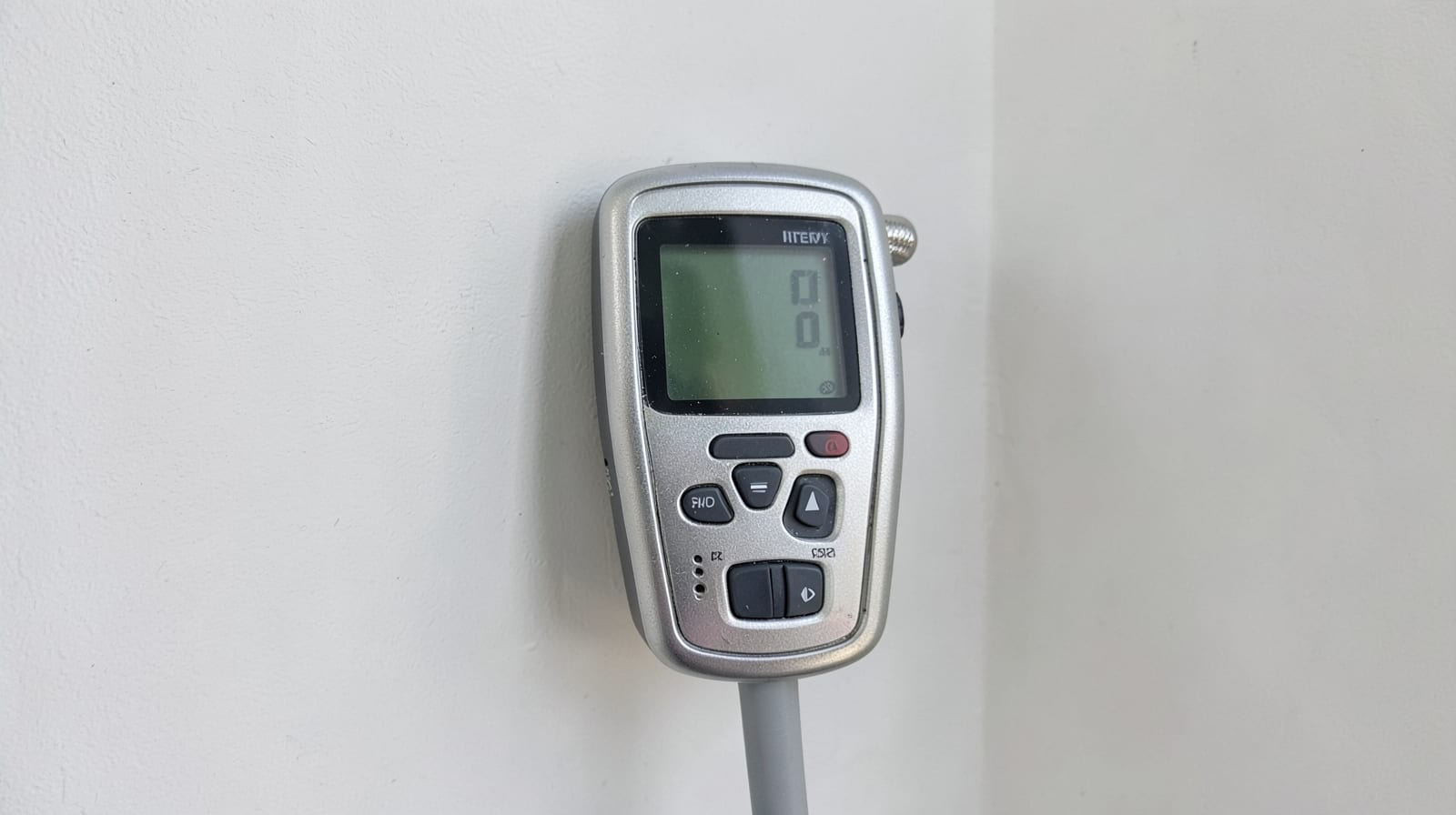
Mold Inspection in Indian Rocks Beach, FL
Mold inspection in Indian Rocks Beach, FL — a visual and moisture-meter assessment that finds the source of growth, not just the visible spot on the wall.
Learn More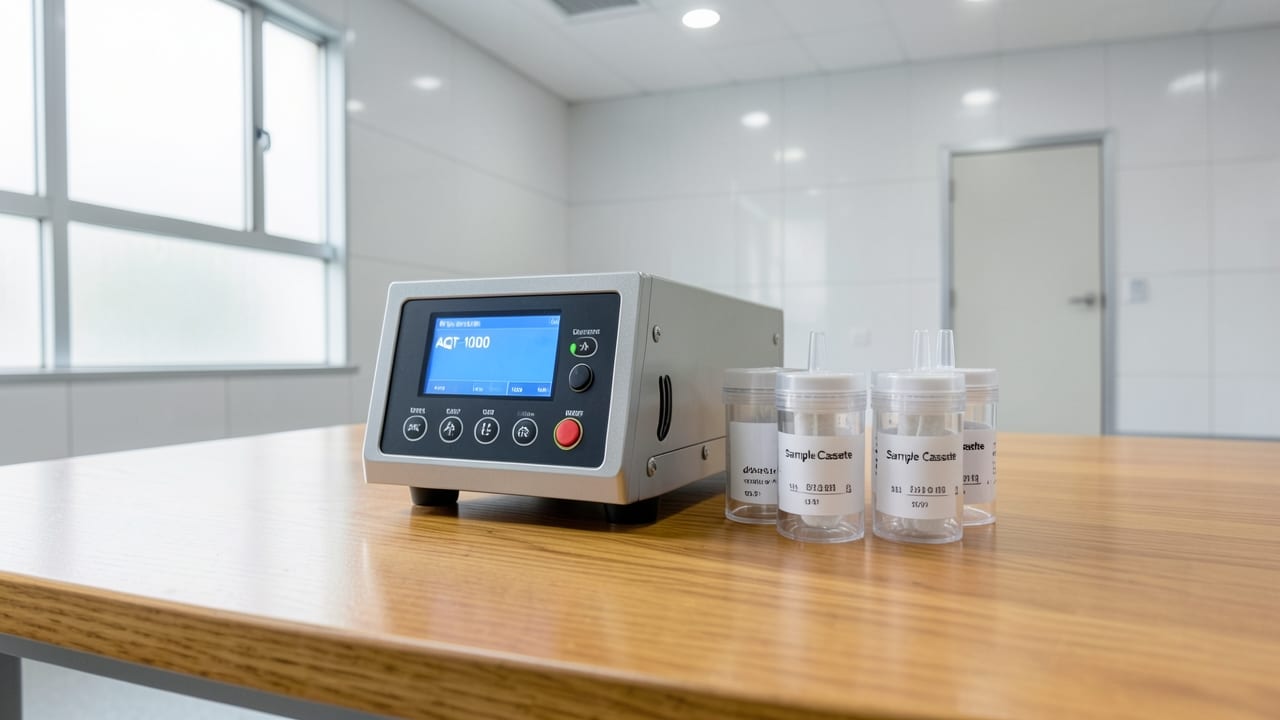
Mold Testing & Air Quality Testing in Indian Rocks Beach, FL
Mold and indoor air quality testing in Indian Rocks Beach, FL — lab-analyzed air and surface samples confirm what's actually growing and whether it's airborne.
Learn MoreCommon Questions About Mold Remediation in Indian Rocks Beach
Everything you need to know about mold remediation services in Indian Rocks Beach
How much does HVAC Mold Remediation typically cost in Indian Rocks Beach, FL?
Why does Indian Rocks Beach, FL's humidity make mold a bigger risk than in drier regions?
How does mold remediation actually prevent the problem from coming back?
Can mold growing inside HVAC ductwork spread to the rest of a home?
Does mold mean the same thing as mildew?
Does homeowners insurance typically cover mold remediation?
Need Mold Remediation in Indian Rocks Beach?
Connect with local providers in Indian Rocks Beach for a detailed quote.
⏰ We answer your call • Serving all of Indian Rocks Beach and surrounding areas