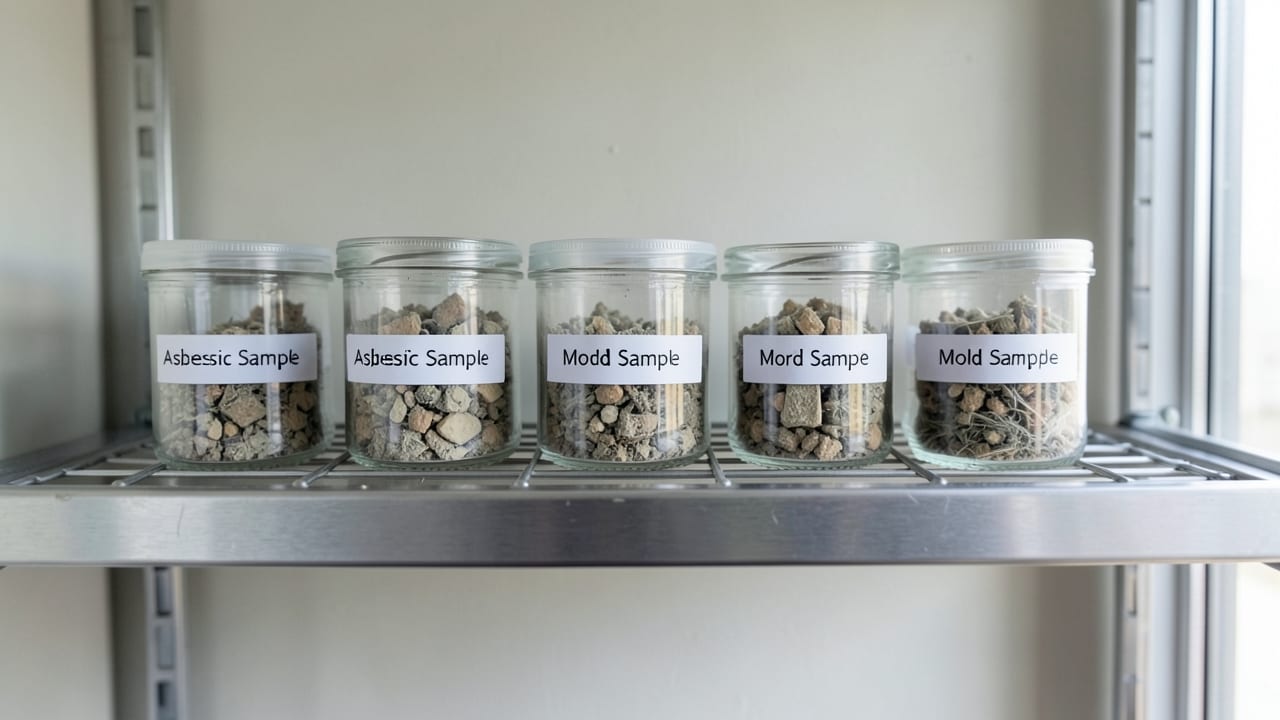
Mold & Asbestos Testing
Combined mold and asbestos testing in Indian Rocks Beach, FL — one inspection visit, lab-verified results for both.
In Indian Rocks Beach, FL, mold and asbestos testing is often combined into a single assessment, especially for homes built before the 1980s. This service helps homeowners identify hidden environmental risks, including moisture sources that fuel mold growth or asbestos-containing materials that may pose health risks when disturbed.
A thorough inspection, sampling, and lab analysis provide clear documentation for remediation planning or real estate transactions.
We also handle Commercial Mold Remediation and Mold Prevention & Moisture Control for Indian Rocks Beach properties.
When to consider testing
Mold and asbestos testing is typically triggered by visible or suspected issues rather than routine maintenance. Homeowners often notice persistent musty odors in closets, basements, or bathrooms, visible mold growth on drywall or grout, or unexplained health symptoms that improve when spending time away from certain rooms.
Even past leaks or water damage—even if they were cleaned up—can leave hidden moisture that encourages mold growth.
Asbestos testing is less likely to be triggered by visible signs, since many older materials (like insulation or floor tiles) may contain asbestos without any obvious deterioration.
However, if you’re renovating a home built before 1980 or suspect damage to insulation, siding, or pipe wrap, testing can confirm whether materials need careful handling or removal.
Signs Testing May Be Needed
- A persistent musty or earthy smell in a specific area that doesn’t fade with ventilation.
- Visible mold growth—black, green, brown, or dark speckles—on walls, ceilings, grout, or window frames.
- Unexplained health symptoms (sneezing, headaches, itchy eyes) that ease when away from certain rooms.
- Water damage from past leaks, floods, or roof issues that wasn’t professionally inspected underneath surfaces.
- Planning to renovate or sell a home built before 1980, where asbestos may be present in original materials.
What affects pricing and timing
The cost of mold and asbestos testing in Indian Rocks Beach varies based on the scope of the inspection, the number of samples collected, and whether additional areas require testing.
Asbestos testing typically includes a site visit, sample collection, and lab analysis, with prices ranging depending on the home’s size and material complexity. Mold testing may require more samples if multiple rooms or hidden areas (like crawl spaces or behind walls) need evaluation.
Turnaround time for lab results is usually 2–5 business days, though asbestos analysis may take longer due to stricter handling protocols. The written report, which includes findings and a moisture-source diagnosis, is essential for remediation planning and may influence follow-up costs if repairs are needed.
What the report includes
The final report from a mold and asbestos assessment serves as a roadmap for any necessary remediation. It details which materials are affected, the type and concentration of mold or asbestos present, and—most critically—the source of moisture fueling the growth.
Without addressing the moisture source, remediation risks failing because the problem returns.
Florida law requires this report to exist before remediation begins, and it must be prepared by a licensed mold assessor (not the same company doing the cleanup). The document also helps homeowners compare remediation quotes, as it specifies the square footage involved and the scope of work needed.
| Finding | Purpose |
|---|---|
| Mold species and spore count | Identifies the type and severity of contamination for remediation planning. |
| Moisture source diagnosis | Pinpoints leaks, poor ventilation, or condensation issues that must be fixed to prevent recurrence. |
| Square footage of affected areas | Helps contractors provide accurate remediation quotes and homeowners budget accordingly. |
| Control-room comparison data | Ensures lab results are reliable by comparing affected areas to a known clean baseline. |
How mold & asbestos testing works
A thorough assessment begins with a visual inspection and ends with a detailed report for remediation planning.
- 1Visual and Moisture Inspection
A trained inspector walks through the home, checking for visible mold, staining, or musty odors. They use a moisture meter and thermal imaging to detect hidden dampness in walls, floors, or ceilings, mapping every affected area before sampling.
- 2Air and Surface Sampling
Where the source isn’t obvious, air samples (spore traps) and surface swabs are collected from suspect areas plus one unaffected room as a control. This ensures lab results can be compared to a baseline, not judged in isolation.
- 3Independent Lab Analysis
Samples are sent to a third-party accredited lab for analysis, with results typically returned in 2–5 business days. The lab identifies mold species, spore concentrations, and asbestos presence (if tested).
- 4Moisture Source Diagnosis
The inspector traces moisture back to its origin—roof leaks, plumbing issues, poor grading, or condensation—to address the root cause. Without this, remediation may not last.
- 5Written Scope Report
Findings are compiled into a report detailing affected materials, moisture sources, and square footage. This document is required by Florida law before remediation begins and helps contractors provide accurate quotes.
Frequently asked questions
Can I test for mold or asbestos myself with a DIY kit?
DIY kits can detect *some* mold or asbestos, but they lack the precision of professional sampling and lab analysis. Professional testing uses controlled methods, proper containment, and accredited labs to provide actionable results—and Florida law requires licensed assessors for remediation planning.
What’s the difference between mold testing and asbestos testing?
Mold testing identifies fungal growth and moisture sources, while asbestos testing checks for fibrous materials in older homes (like insulation or floor tiles). Both often occur together because asbestos disturbance can create dust that spreads mold spores, and mold growth may indicate water damage that also affects asbestos-containing materials.
Do I need to be home during the inspection?
You don’t need to be present, but the inspector may ask questions about past leaks, renovations, or health symptoms. Pets and people with respiratory issues should avoid the home during sampling to prevent cross-contamination of the control area.
What happens if asbestos is found in my home?
If asbestos is present but undamaged, it’s often left in place with proper labeling. Disturbing it (like during renovations) requires licensed abatement. The assessment report will specify whether materials need removal or encapsulation, and Florida law prohibits the same company from doing both assessment and remediation.
Where Indian Rocks Beach sits, and what the Census lists nearby
Indian Rocks Beach sits in Florida, and the closest places listed in the U.S. Census Gazetteer are Harbor Bluffs (1.5 miles northeast), Belleair Shore (1.5 miles north), Belleair Bluffs (2.3 miles northeast), Ridgecrest (2.5 miles east).
Within 25 miles of Indian Rocks Beach the same source lists 49 distinct incorporated places and census-designated places.
Those figures matter for mold & asbestos testing because they are straight-line distances between Census coordinate points: road mileage between Indian Rocks Beach and Harbor Bluffs runs longer than the 1.5 miles shown, which is why quotes for the same job differ between towns that look close together on a map.
Source: U.S. Census Bureau Gazetteer.
See Kenneth City, FL for more, or browse the rest of our Indian Rocks Beach lineup at a glance for our complete lineup.
Ready to get started?
Talk to a local mold remediation pro in Indian Rocks Beach — get a written quote.
Other Mold Remediation Services in Indian Rocks Beach
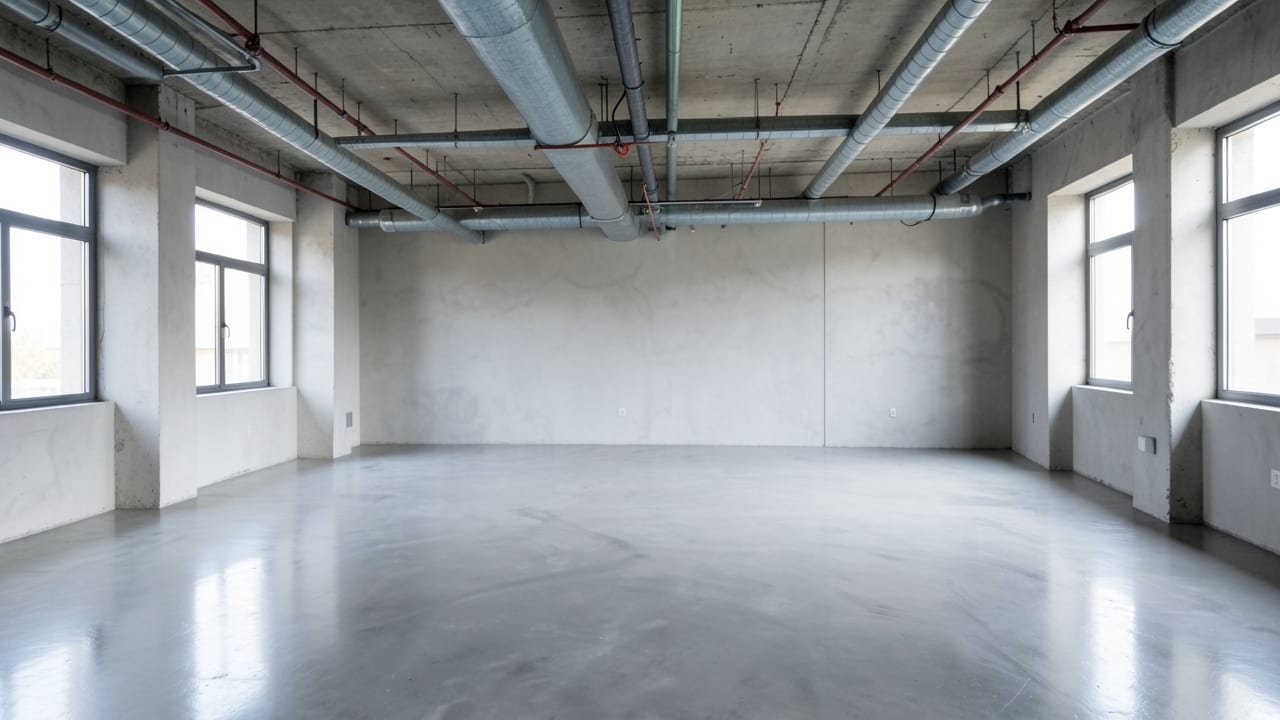
Commercial Mold Remediation in Indian Rocks Beach, FL
Commercial mold inspection and remediation in Indian Rocks Beach, FL for offices, retail space, and multi-unit properties, scheduled around business operations.
Learn More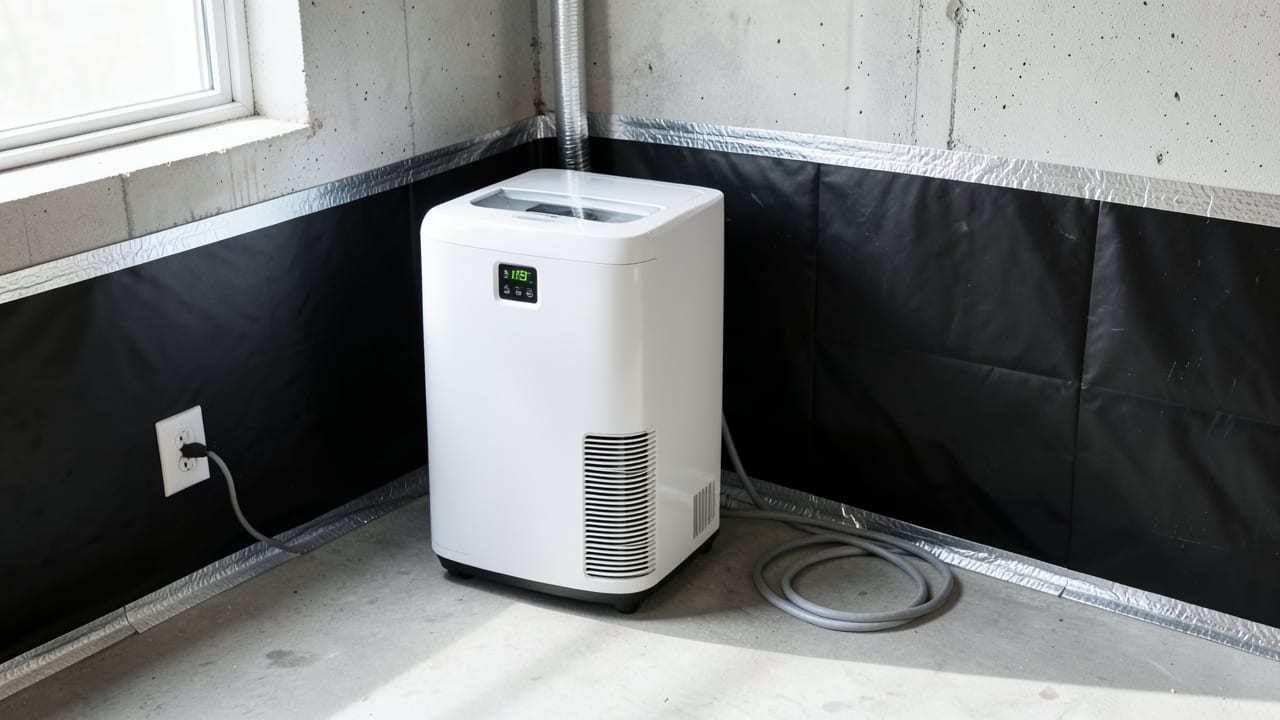
Mold Prevention & Moisture Control in Indian Rocks Beach, FL
Mold prevention and moisture control in Indian Rocks Beach, FL — addressing ventilation, humidity, and drainage before growth starts, not after.
Learn More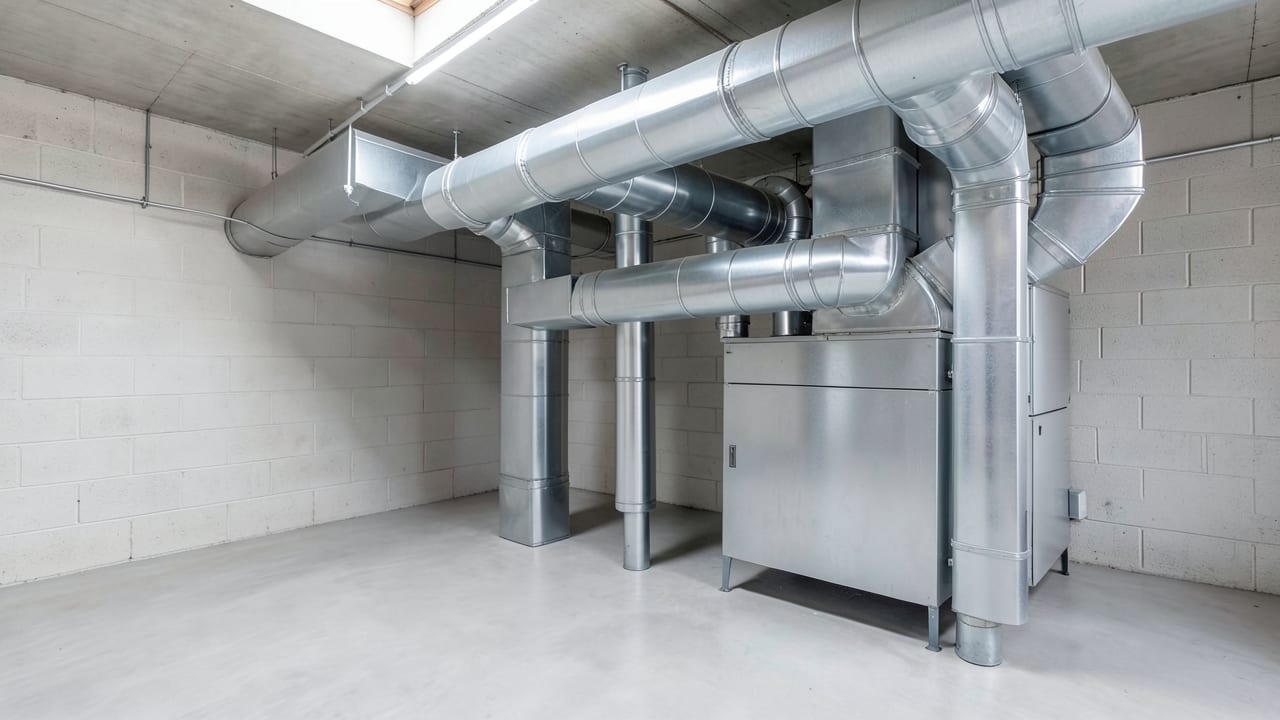
HVAC Mold Remediation in Indian Rocks Beach, FL
HVAC and ductwork mold remediation in Indian Rocks Beach, FL — mold growing inside the air handler or duct system, spreading through every vent.
Learn More
Plaster Mold Remediation in Indian Rocks Beach, FL
Professional removal and treatment of mold from plaster surfaces in homes.
Learn More
Ceiling Mold Removal in Indian Rocks Beach, FL
Professional removal of mold growth from ceilings, including containment and cleanup.
Learn More
Window Sill Mold Cleanup in Indian Rocks Beach, FL
Professional cleanup of mold growth on window sills to restore a healthy indoor environment.
Learn MoreCommon Questions About Mold Remediation in Indian Rocks Beach
Everything you need to know about mold remediation services in Indian Rocks Beach
How much does Mold & Asbestos Testing typically cost in Indian Rocks Beach, FL?
Why does Indian Rocks Beach, FL's humidity make mold a bigger risk than in drier regions?
Does homeowners insurance typically cover mold remediation?
Is black mold actually more dangerous than other mold types?
How long does a typical mold remediation job take?
Is it safe to stay in the home during mold remediation?
Need Mold Remediation in Indian Rocks Beach?
Connect with local providers in Indian Rocks Beach for a detailed quote.
⏰ We answer your call • Serving all of Indian Rocks Beach and surrounding areas