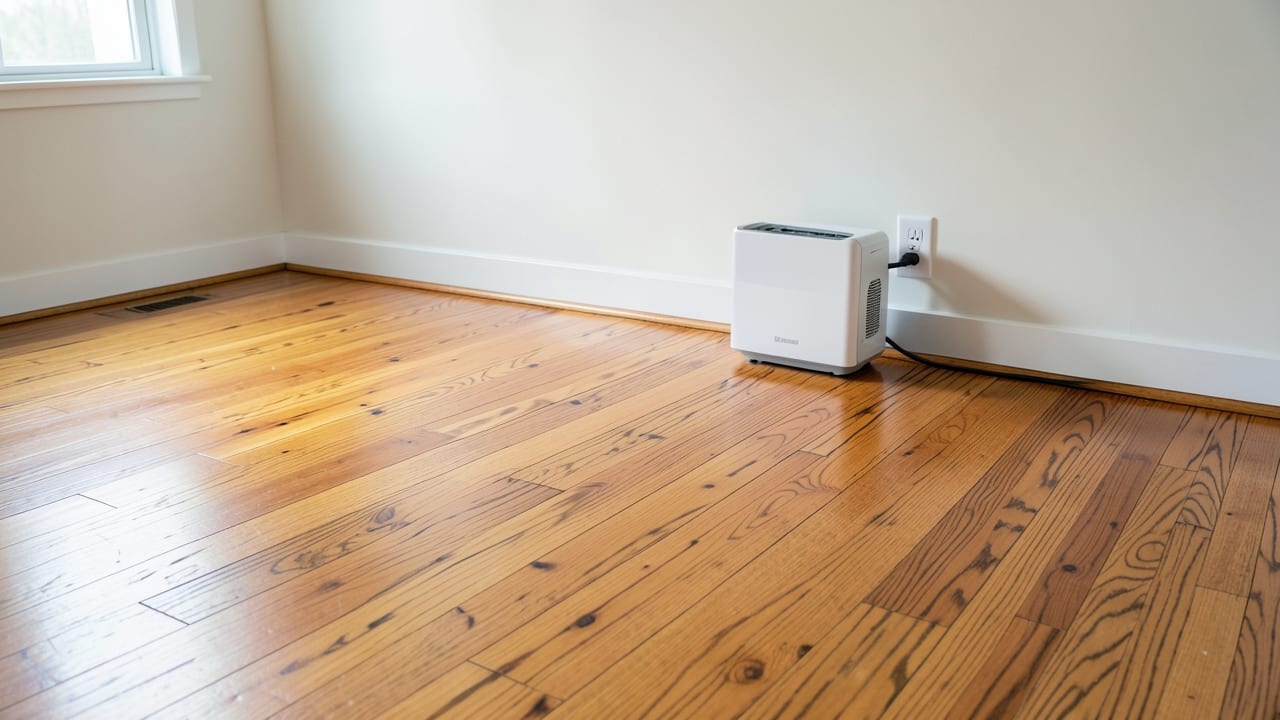
Pet Urine Mold Treatment
Professional removal of mold caused by pet urine in homes, including assessment and treatment.
Pet urine mold in Indian Rocks Beach homes often hides beneath carpets, in walls, or under flooring, creating persistent odors and health concerns. Specialized remediation targets these hidden growths using containment, HEPA filtration, and moisture control to help prevent regrowth after removal.
Florida’s strict licensing rules ensure only qualified professionals handle these jobs, especially when mold covers more than a small area or keeps returning.
We also handle Sewer Backup Mold Cleanup and Pipe Leak Mold Removal for Indian Rocks Beach properties.
When pet urine mold needs professional treatment
Pet urine mold often starts as a small, isolated stain but can spread into walls, subflooring, or ductwork if moisture and organic waste remain. In Florida, mold covering more than 25 contiguous square feet typically requires professional remediation, per state guidelines.
Recurring growth in the same spot or a musty smell with no visible mold are also clear signs the problem is deeper than surface cleaning can handle.
Hidden moisture sources—like leaks behind baseboards, condensation in windowless rooms, or poor drainage outside—keep mold returning. A professional inspection identifies these issues before removal begins, since treating only the visible mold without fixing the cause often leads to regrowth within months.
Signs You Need Pet Urine Mold Remediation
- Mold covers more than a small, isolated patch (over 25 sq ft).
- The same spot keeps growing mold after cleaning.
- A musty smell persists with no visible mold in the room.
- The odor worsens when the HVAC system runs (indicating ductwork contamination).
- You notice dark stains or discoloration spreading under carpets or behind walls.
How pricing and scope work for pet urine mold jobs
Pricing for pet urine mold remediation in Indian Rocks Beach depends on the size of the affected area, the materials involved (e.g., carpet padding vs. drywall), and whether hidden moisture sources need repair.
Unlike flat-rate services, this work is typically quoted after a site visit, with costs broken into remediation (removing existing mold) and prevention (fixing leaks or improving airflow).
Florida law also requires separate licensing for mold assessment and remediation—meaning the same company cannot both diagnose and treat the same property within a year. This rule helps ensure unbiased recommendations and fair pricing.
| Factor Affecting Cost | Typical Impact on Price |
|---|---|
| Size of affected area (sq ft) | Larger areas increase labor and containment costs. |
| Materials requiring removal (e.g., carpet padding, drywall) | Porous materials are often discarded, raising costs. |
| Hidden moisture sources (leaks, poor ventilation) | Repairs add to the total scope and price. |
| Specialty treatments (e.g., enzymatic odor removal for urine) | May require subcontractors, increasing cost. |
| Clearance testing (independent lab verification) | Often priced separately but critical for confirming results. |
Why containment and testing matter
During remediation, plastic sheeting and negative-air machines seal off the work area to prevent mold spores from spreading to uncontaminated parts of the home. Without this step, spores stirred up during removal can drift into bedrooms, HVAC systems, or other rooms, turning a contained job into a much larger problem.
After removal, HEPA air scrubbers and independent clearance testing confirm the space is safe. Skipping these steps leaves no record that the mold was fully addressed, and lingering spores can trigger allergies or regrowth. Florida’s strict rules on containment and testing help ensure these critical steps aren’t overlooked.
Even a small tear in plastic sheeting or an open door during remediation can release spores into the rest of the home. Always verify that the crew uses full containment and HEPA filtration—standard shop vacuums or non-HEPAs recirculate spores instead of capturing them.
How pet urine mold remediation works
- 1Containment Setup
Plastic sheeting and negative-air machines seal the affected area to trap spores during removal. This prevents cross-contamination into other rooms or the HVAC system.
- 2Material Removal or Cleaning
Porous materials (like carpet padding or drywall) that absorb mold are cut out and bagged. Non-porous surfaces (tile, framing) are scrubbed and treated to kill remaining spores.
- 3HEPA Filtration and Drying
HEPA air scrubbers run continuously to capture airborne spores, and industrial dehumidifiers dry structural materials to prevent moisture-driven regrowth.
- 4Moisture Source Repair
Leaks, poor ventilation, or grading issues that caused the mold are fixed to stop future growth. Stagnant air in closets or basements may require a small fan or dehumidifier.
- 5Clearance Testing
An independent lab tests air or surfaces post-remediation to confirm spore levels are back to normal before containment is removed.
Frequently asked questions
My pet had an accident in one corner of the living room, but the smell keeps coming back. Is this normal?
Recurring odors after cleaning usually mean the urine soaked into porous materials like carpet padding or drywall, where mold can grow unseen. If the smell persists, the affected area may need professional remediation to remove hidden mold and treat the materials properly.
Will the remediation crew fix the leak under the bathroom sink that’s causing the mold?
Yes, addressing the moisture source is a critical part of the job. Removing mold without fixing leaks, condensation, or poor drainage often leads to regrowth within months. Always ask for a written scope that includes moisture-source repairs.
Do I need to leave the house during the remediation process?
You may be asked to vacate the area or the entire home temporarily, depending on the scope. Containment keeps spores from spreading, but some projects generate dust or strong cleaning agents that require ventilation. The crew will provide clear instructions based on your specific job.
How do I know if the mold is gone after the work is done?
Independent clearance testing—air or surface sampling by a third party—confirms spore levels are back to normal. Without this step, there’s no way to verify whether the mold was fully removed. Florida law requires this for larger jobs, but it’s wise to request it even for smaller ones.
Where Indian Rocks Beach sits, and what the Census lists nearby
Indian Rocks Beach sits in Florida, and the closest places listed in the U.S. Census Gazetteer are Harbor Bluffs (1.5 miles northeast), Belleair Shore (1.5 miles north), Belleair Bluffs (2.3 miles northeast), Ridgecrest (2.5 miles east).
Within 25 miles of Indian Rocks Beach the same source lists 49 distinct incorporated places and census-designated places.
Those figures matter for pet urine mold treatment because they are straight-line distances between Census coordinate points: road mileage between Indian Rocks Beach and Harbor Bluffs runs longer than the 1.5 miles shown, which is why quotes for the same job differ between towns that look close together on a map.
Source: U.S. Census Bureau Gazetteer.
See Pinellas Park, FL for more, or check out what we cover for Indian Rocks Beach properties in full for our complete lineup.
Ready to get started?
Talk to a local mold remediation pro in Indian Rocks Beach — get a written quote.
Other Mold Remediation Services in Indian Rocks Beach
Sewer Backup Mold Cleanup in Indian Rocks Beach, FL
Professional cleanup of mold caused by sewer backups in homes.
Learn More
Pipe Leak Mold Removal in Indian Rocks Beach, FL
Professional removal of mold caused by pipe leaks in homes.
Learn More
Roof Leak Mold Remediation in Indian Rocks Beach, FL
Professional removal of mold caused by roof leaks to restore a safe, healthy home environment.
Learn More
Apartment Mold Remediation in Indian Rocks Beach, FL
Professional mold removal and remediation for apartments to restore safe living conditions.
Learn More
Rental Property Mold Cleanup in Indian Rocks Beach, FL
Professional mold removal and remediation for rental properties to restore safe living conditions.
Learn More
Metal Ductwork Mold Remediation in Indian Rocks Beach, FL
Professional removal of mold from metal ductwork to restore indoor air quality.
Learn MoreCommon Questions About Mold Remediation in Indian Rocks Beach
Everything you need to know about mold remediation services in Indian Rocks Beach
How much does Pet Urine Mold Treatment typically cost in Indian Rocks Beach, FL?
Why does Indian Rocks Beach, FL's humidity make mold a bigger risk than in drier regions?
Is black mold actually more dangerous than other mold types?
How long does a typical mold remediation job take?
Is it safe to stay in the home during mold remediation?
Can small mold problems be handled without hiring anyone?
Need Mold Remediation in Indian Rocks Beach?
Connect with local providers in Indian Rocks Beach for a detailed quote.
⏰ We answer your call • Serving all of Indian Rocks Beach and surrounding areas