How Mold Containment Prevents Cross-Contamination in Indian Rocks Beach Homes
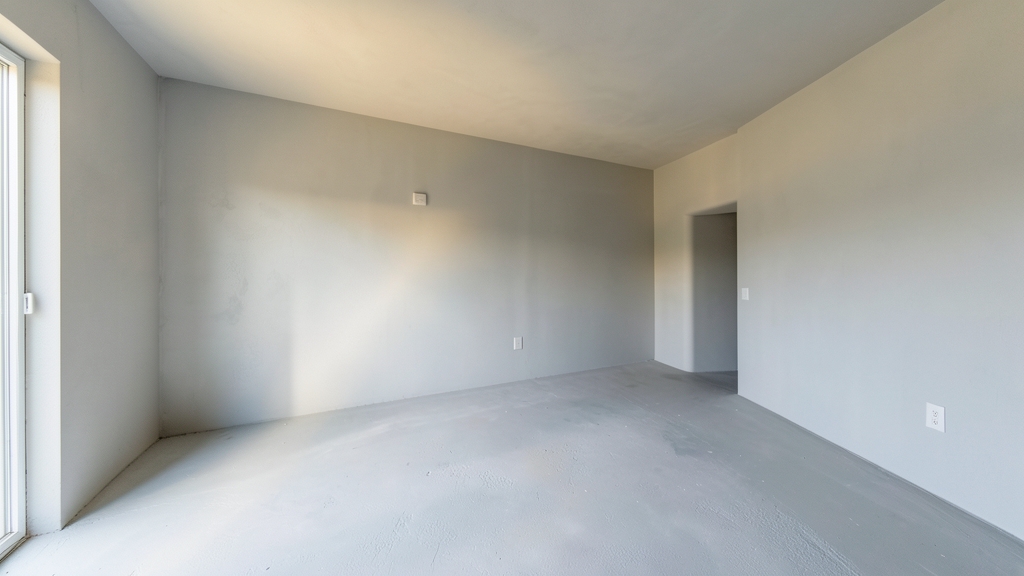
Mold doesn’t stay put. Without proper containment, spores from a small infestation in a Largo or Seminole home can drift through HVAC systems, settling in attics, crawl spaces, or even neighboring units in Belleair Shores. We use engineered barriers and negative air pressure to isolate the problem before it spreads.
Why Containment Is the First Line of Defense Against Mold Spread
Mold spores are microscopic and airborne. Even minor disturbances—like walking through an infested area—can release thousands into the air, risking cross-contamination to clean zones.
In our humid Florida climate, spores find ideal conditions to colonize new surfaces within 24–48 hours. Containment breaks this cycle by creating a physical and atmospheric barrier.
How Negative Air Pressure Works in Mold Remediation
We seal the affected area with 6-mil polyethylene sheeting, then use HEPA-filtered air scrubbers to pull air *out* of the space. This creates negative pressure, ensuring any escaped spores are captured, not pushed into living areas.
The system runs continuously during remediation. In coastal homes near Indian Shores, where sea breezes can carry moisture, this step is non-negotiable.
Before setting up containment, we block all supply and return vents in the work zone. This prevents spores from hitching a ride through ductwork to other rooms.
Containment Barriers: Materials and Best Practices
Not all plastic sheeting is equal. We use fire-retardant, anti-static polyethylene rated for remediation. It’s taped with a sealant that adheres to walls, ceilings, and floors without damaging surfaces.
For large or irregular spaces—like attics in older Seminole homes—we may build a frame with PVC pipes to support the barrier, ensuring full coverage.
| Material | Thickness | Best For | Limitations |
|---|---|---|---|
| Polyethylene Sheeting | 6-mil | Standard containment, walls/ceilings | Tears easily if not handled properly |
| Fire-Retardant Poly | 6-mil | Commercial or high-risk areas | Higher cost, but required by code in some cases |
| Reusable Containment Systems | Vinyl or fabric | Large or recurring projects | Expensive upfront, needs cleaning between uses |
Air Filtration: The Unsung Hero of Containment
HEPA air scrubbers don’t just capture spores—they filter particles as small as 0.3 microns with 99.97% efficiency. We position them to create airflow *into* the scrubber, not across the room.
In crawl spaces or basements, where airflow is restricted, we may deploy multiple units. These areas, common in Largo homes, often have hidden moisture that fuels mold growth.
PPE and Decontamination: Protecting People and Property
Our team wears full PPE—respirators, gloves, and disposable suits—to avoid tracking spores. We also establish a decontamination chamber at the containment exit, where workers remove gear and shower if needed.
This isn’t just for safety. It prevents secondary contamination in hallways or entryways, a common issue in multi-story homes near Indian Rocks Beach.
Skipping decontamination can reintroduce spores to clean areas. Even a single overlooked spore can restart the colonization process in our humid environment.
When Containment Isn’t Enough: Addressing the Root Cause
Containment stops the spread, but it doesn’t solve the problem. We always pair it with moisture control—fixing leaks, improving ventilation, or installing dehumidifiers in crawl spaces and attics.
In Belleair Shores, where storm surges and flooding are risks, we often recommend sump pumps or vapor barriers as part of a long-term prevention plan.
Commercial vs. Residential Containment: Key Differences
Commercial spaces, like offices or retail in Largo, often require larger containment zones and more powerful air scrubbers. We may also need to work around business hours, using phased containment to minimize disruption.
Residential jobs focus on protecting personal belongings. We use smaller, more precise barriers to isolate rooms without sealing off the entire home.
How to Maintain Containment During DIY Mold Cleanup
If you’re tackling a small mold issue yourself, containment is still critical—but it’s easy to get wrong.
- 1Isolate the Area
Seal the room with plastic sheeting and painter’s tape. Cover doorways, vents, and any gaps where air could escape.
- 2Use a Fan with a HEPA Filter
Place a HEPA air purifier or fan near the containment exit to pull air out of the space. Avoid standard fans, which can spread spores.
- 3Wear Protective Gear
Use an N95 respirator, gloves, and goggles. Dispose of or wash reusable gear immediately after use.
- 4Work in Small Sections
Clean or remove moldy materials in stages to minimize disturbance. Never dry-brush mold—it releases spores into the air.
- 5Dispose of Contaminated Materials Properly
Double-bag moldy debris in heavy-duty trash bags. Seal and remove them through the shortest path out of the home.
Frequently Asked Questions
How long does mold containment need to stay in place?
Containment remains until remediation is complete and post-remediation verification confirms the area is clean. In most Indian Rocks Beach homes, this takes 1–5 days, depending on the infestation size and drying time.
Can mold spread through walls without containment?
Yes. Mold spores can travel through electrical outlets, plumbing chases, or even tiny cracks in drywall. Without containment, a small patch in a bathroom can lead to hidden growth in adjacent rooms or attics.
Is containment necessary for small mold patches?
For patches under 10 square feet, limited containment may suffice. However, in high-humidity areas like crawl spaces or basements, we still recommend full containment to prevent recurrence.
What’s the difference between containment and encapsulation?
Containment isolates mold during removal. Encapsulation seals moldy surfaces (like wood or concrete) with a specialized coating to prevent further growth. We often use both in crawl space remediation near Seminole.
Does homeowners insurance cover mold containment costs?
Coverage varies. Many policies exclude mold unless it’s tied to a covered peril, like a burst pipe. We recommend documenting the cause and requesting a quote to understand your options.
Can I stay in my home during mold remediation with containment?
In most cases, yes—if the containment is properly sealed and negative air pressure is maintained. For large or toxic mold infestations (like black mold), we may advise temporary relocation, especially for sensitive individuals.