Does Mold-Resistant Paint Actually Work in Indian Rocks Beach?
Mold-resistant paint is often sold as a silver bullet for humid climates like ours. But does it live up to the hype in Indian Rocks Beach? We’ve seen firsthand how it performs—and where it falls short—when moisture is relentless.
What Mold-Resistant Paint Actually Does
Mold-resistant paint contains antimicrobial additives, usually mildewcides, designed to inhibit mold and mildew growth on painted surfaces. It doesn’t kill existing mold—it only prevents new colonies from forming on the paint film itself.
These paints are most effective on clean, dry surfaces. If applied over active mold or water-damaged drywall, they’ll fail. That’s why we always insist on proper remediation before any preventive measures.
How It Holds Up in Our Coastal Climate
Indian Rocks Beach’s high humidity and frequent storms create ideal conditions for mold. Mold-resistant paint can buy you time, but it’s not a substitute for moisture control in homes near the Gulf.
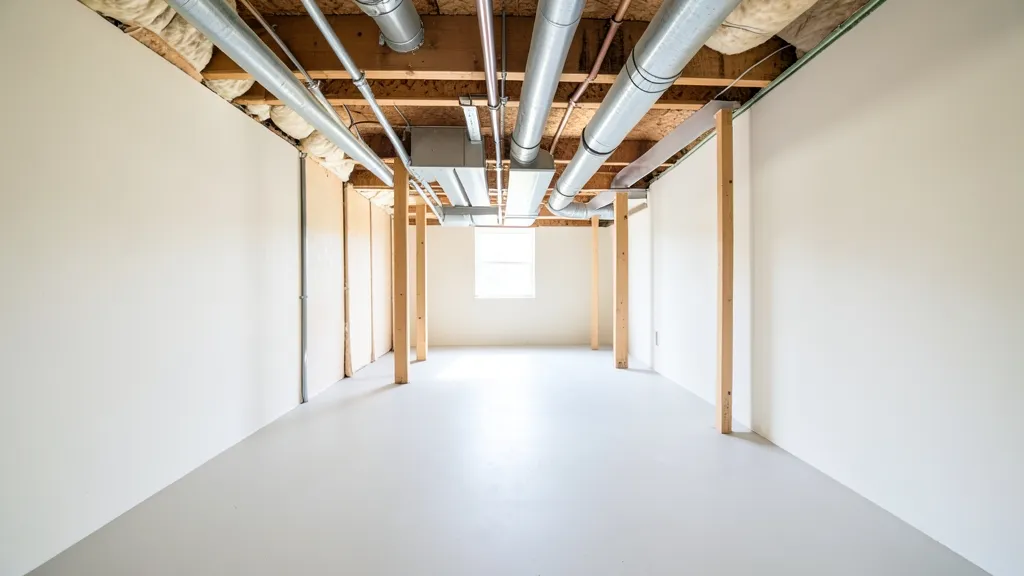
In areas like crawl spaces or basements in Largo and Seminole, where humidity lingers, this paint may slow growth but won’t stop it without dehumidifiers or ventilation upgrades.
Mold-resistant paint fails if moisture persists behind walls or in hidden spaces. Always address the root cause first.
Mold-Resistant Paint vs. Regular Paint: Real Differences
Standard paint lacks antimicrobial agents, so it offers no protection against mold. Mold-resistant options are formulated for high-moisture areas like bathrooms, kitchens, and laundry rooms.
| Feature | Mold-Resistant Paint | Standard Paint |
|---|---|---|
| Antimicrobial additives | Yes (mildewcides) | No |
| Mold growth resistance | High (surface-level) | None |
| Durability in humidity | Better, but not permanent | Poor |
| Prep requirements | Must be applied to clean, dry surfaces | Same |
| Cost | Slightly higher | Lower |
Where It Works—and Where It Doesn’t
Use mold-resistant paint on interior walls in bathrooms, kitchens, and laundry rooms. It’s also smart for attics in Indian Shores or Belleair Shores, where condensation can be an issue.
Avoid relying on it in areas with chronic water intrusion, like flooded basements or leaky crawl spaces. In these cases, water damage restoration and mold remediation are non-negotiable.
Pair mold-resistant paint with a high-quality primer and ensure proper ventilation. Even top-tier paint won’t compensate for poor airflow.
The Limits: What It Can’t Do
Mold-resistant paint won’t stop mold growing on non-painted surfaces like wood, insulation, or HVAC ducts. It also does nothing for spores already airborne in your home.
If you suspect hidden mold in walls or ceilings, a professional mold inspection with air quality testing is the only way to assess the full scope. We’ve seen too many homeowners waste money on paint when the problem runs deeper.
When to Call a Pro Instead
If you see visible mold covering more than 10 square feet, or if it keeps returning after cleaning, it’s time for professional mold remediation. This is common in older homes in Indian Rocks Beach with historic water damage.
Commercial properties, especially in high-traffic areas, often require industrial-grade solutions beyond paint. Our team handles both residential and commercial mold remediation with tailored approaches.
Signs You Need More Than Paint
- Mold returns within weeks of cleaning
- Musty odors persist despite painting
- Water stains or peeling paint on walls/ceilings
- Family members experience allergy symptoms indoors
- Visible mold in HVAC vents or ductwork
Preventing Mold Before It Starts
Prevention is about controlling moisture. In our area, that means running dehumidifiers, fixing leaks promptly, and ensuring attics and crawl spaces are properly ventilated.
Regular mold inspections, especially after storms or flooding, can catch problems early. We offer mold testing and air quality testing to help homeowners stay ahead of hidden growth.
How to Apply Mold-Resistant Paint Correctly
Mold-resistant paint won’t work if applied incorrectly.
- 1Clean the Surface
Scrub the area with a mold-killing solution (like diluted bleach or a commercial product) and let it dry completely. Never paint over active mold.
- 2Repair Damage
Fix any water-damaged drywall, wood, or insulation. If the damage is extensive, consider water damage restoration before painting.
- 3Use a Primer
Apply a mold-resistant primer to create a protective base. This step is critical for adhesion and long-term performance.
- 4Apply the Paint
Use a high-quality brush or roller to apply the mold-resistant paint evenly. Two coats are often recommended for maximum protection.
- 5Maintain the Area
Control humidity with dehumidifiers or fans, and clean the painted surface regularly to prevent dirt buildup, which can feed mold.
Frequently Asked Questions
How long does mold-resistant paint last in Indian Rocks Beach’s climate?
Most mold-resistant paints last 3–5 years in high-humidity areas, but their effectiveness depends on moisture levels. Reapply sooner if you notice new growth or the paint is wearing thin.
Can I use mold-resistant paint over existing mold?
No. Painting over mold traps it beneath the surface, where it can continue growing and spreading. Always remove the mold first, then clean and dry the area thoroughly.
Is mold-resistant paint safe for bedrooms and living areas?
Yes, once fully cured, mold-resistant paints are safe for indoor use. They’re commonly used in bathrooms and kitchens, but can be applied anywhere moisture is a concern.
Does mold-resistant paint work in crawl spaces or basements?
It can help on surfaces like concrete or wood, but crawl spaces and basements often need additional moisture control, such as vapor barriers or dehumidifiers. In Seminole or Largo, these areas may require professional remediation.
What’s the difference between mold-resistant and mold-proof paint?
There’s no such thing as mold-proof paint. Mold-resistant paint only slows growth on the painted surface—it doesn’t eliminate the risk entirely, especially in humid environments like ours.
Should I test for mold before painting?
Absolutely. If you’re unsure about hidden mold, a professional mold inspection with air quality testing can identify problems you can’t see. This is especially wise after water damage or in older homes.