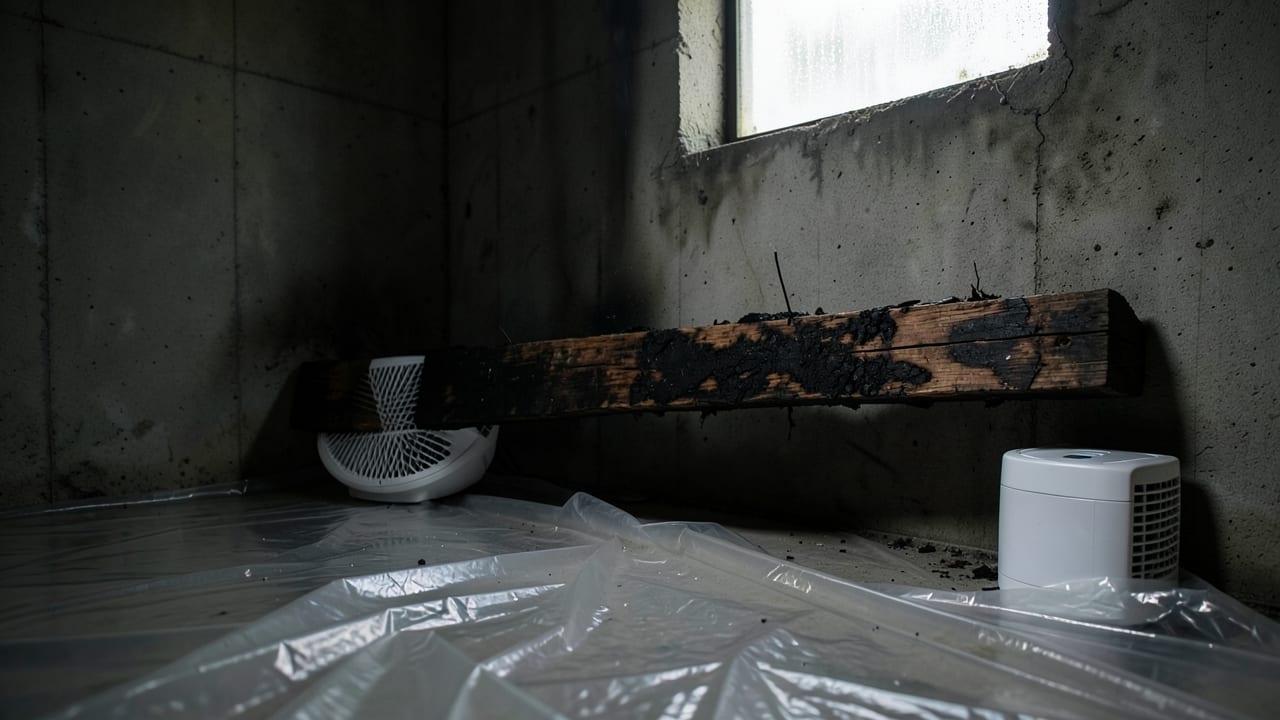
Fire Smoke Mold Remediation
Professional cleanup and restoration of fire, smoke, and mold damage in homes.
Fire, smoke, and mold damage in Indian Rocks Beach homes require professional remediation to restore safety and air quality. After a fire or flood, hidden mold can develop from residual moisture, while smoke residue lingers on walls and belongings.
Proper containment, removal, and drying prevent further spread, but improper cleanup can worsen contamination. Florida law mandates licensed remediators for mold work, and independent testing confirms results. Understanding the signs and steps helps homeowners act when DIY methods fall short.
We also handle Pre-Winter Mold Prevention and Spring Mold Inspection for Indian Rocks Beach properties.
When to call for remediation
Mold growth beyond a small patch, recurring after cleaning, or hidden behind walls signals the need for professional help. In Florida, any mold covering more than 25 contiguous square feet requires a licensed remediator.
Musty odors with no visible source or damp areas that stay wet after drying also warrant attention. Smoke damage often masks mold risks, as firefighting water or leaks can create ideal conditions for growth.
Poor airflow in closets, windowless bathrooms, or basements increases humidity, fostering mold. If a room smells damp even after drying, stagnant air may be the issue. Outside, soil sloping toward the foundation or downspouts dumping near walls can reintroduce moisture. Addressing these sources prevents regrowth after remediation.
Signs You Need Professional Remediation
- Mold covers more than a small, isolated patch (over 25 sq. ft. in Florida).
- Growth returns in the same spot after cleaning.
- Musty smell with no visible mold—hidden behind walls, under flooring, or in ducts.
- Damp areas that stay wet despite drying efforts.
- Smoke damage with lingering odors or soot on non-washable surfaces.
What affects cost and time
Fire and smoke cleanup costs in Indian Rocks Beach typically range per affected room, based on soot removal, deodorization, and surface treatment. Mold remediation pricing varies with square footage, material type (porous vs. non-porous), and whether hidden growth requires structural cuts.
Containment, HEPA filtration, and clearance testing add to the total, but skipping these steps can lead to higher long-term costs if spores spread.
The scope of work drives timing. Simple surface cleaning takes hours, while deep mold removal—cutting drywall, treating framing, and drying subfloors—can take days. Humidity levels and access to affected areas also play a role.
Florida’s licensing rules require separate assessment and remediation teams, which may extend the process but ensures unbiased work.
What to watch for in a quote
Not all quotes cover the same steps. Containment, clearance testing, and moisture source fixes often appear as add-ons, while vague area estimates or missing third-party lab tests can leave gaps.
A written scope of work protects against unexpected charges, and a bid significantly lower than others may cut corners on containment or filtration. Pressure to sign during the inspection visit is another red flag—legitimate scopes take time to prepare.
Florida law prohibits the same company from assessing and remediating the same property within 12 months, so verify the assessor and remediator are separate entities. Ask whether hidden mold discoveries will trigger change orders, and confirm the crew uses HEPA equipment—standard vacuums and air scrubbers recirculate spores.
Post-remediation testing ensures the work meets safety standards, but it’s often optional in quotes.
| Red Flag | Why It Matters |
|---|---|
| No written scope of work | No way to compare bids or hold the crew accountable for missing steps. |
| Full payment requested upfront | Removes leverage if the job isn’t completed as promised. |
| No mention of clearance testing | No independent confirmation the space is safe afterward. |
| Pressure to sign during inspection | Legitimate scopes require time to draft accurately. |
How fire smoke mold remediation works
Professional remediation follows strict containment and safety protocols to prevent cross-contamination.
- 1Containment
Plastic sheeting and negative-air machines seal the work area, trapping spores inside. Doors stay closed, and fans direct airflow outward to prevent spread to unaffected rooms.
- 2Removal
Porous materials like drywall and carpet padding—absorbed with mold—are cut out and bagged. Non-porous surfaces (tile, metal) are scrubbed and treated to kill spores.
- 3HEPA Filtration
Air scrubbers with HEPA filters run continuously, and surfaces are vacuumed with HEPA-equipped tools to capture spores. Standard vacuums release spores back into the air.
- 4Structural Drying
Industrial dehumidifiers and air movers reduce moisture in framing and subfloors to normal levels. Mold regrows on damp materials even after visible traces are gone.
- 5Clearance Testing
An independent lab tests air or surfaces post-remediation to confirm spore counts are within safe ranges before containment is removed.
Frequently asked questions
Can I clean mold myself if it’s a small patch?
Florida allows DIY cleanup for patches under 25 square feet, but hidden moisture sources or poor ventilation can cause regrowth. If the mold keeps returning or you see it in multiple spots, professional remediation is safer. Always wear masks and gloves, and avoid disturbing large areas without containment.
Will my insurance cover fire/smoke/mold damage?
Most homeowners’ policies cover fire and smoke damage, but mold often has exclusions unless it stems directly from a covered event (like a fire). Review your policy or contact your agent to confirm coverage limits and deductibles. Document all damage with photos before cleanup starts.
How long does it take to remediate a moldy bathroom?
Timing depends on the size, material type, and moisture source. Surface cleaning takes hours, but if mold is behind walls or under flooring, drying and testing can take days. Containment and HEPA filtration add to the process. Ask the crew for a written timeline based on their assessment.
Do I need to be home during remediation?
You’ll likely need to vacate the affected area during active work, especially if containment is in place. The crew will advise on when it’s safe to return, often after clearance testing confirms spore levels are normal. Pets and children should avoid the area until work is complete.
Where Indian Rocks Beach sits, and what the Census lists nearby
Indian Rocks Beach sits in Florida, and the closest places listed in the U.S. Census Gazetteer are Harbor Bluffs (1.5 miles northeast), Belleair Shore (1.5 miles north), Belleair Bluffs (2.3 miles northeast), Ridgecrest (2.5 miles east).
Within 25 miles of Indian Rocks Beach the same source lists 49 distinct incorporated places and census-designated places.
Those figures matter for fire smoke mold remediation because they are straight-line distances between Census coordinate points: road mileage between Indian Rocks Beach and Harbor Bluffs runs longer than the 1.5 miles shown, which is why quotes for the same job differ between towns that look close together on a map.
Source: U.S. Census Bureau Gazetteer.
See Safety Harbor, FL for more, or explore the mold remediation work we do around Indian Rocks Beach in one place for our complete lineup.
Ready to get started?
Talk to a local mold remediation pro in Indian Rocks Beach — get a written quote.
Other Mold Remediation Services in Indian Rocks Beach
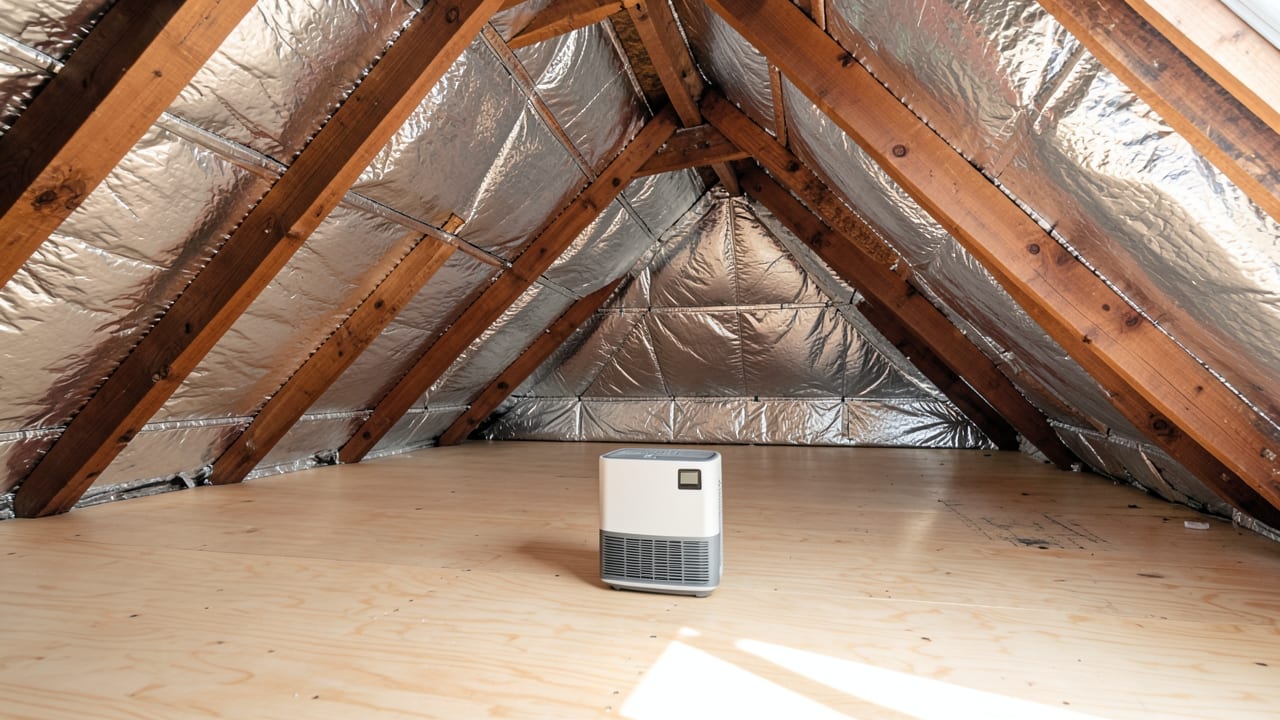
Pre-Winter Mold Prevention in Indian Rocks Beach, FL
Pre-winter mold prevention involves inspection and treatment to stop mold growth before cold weather.
Learn More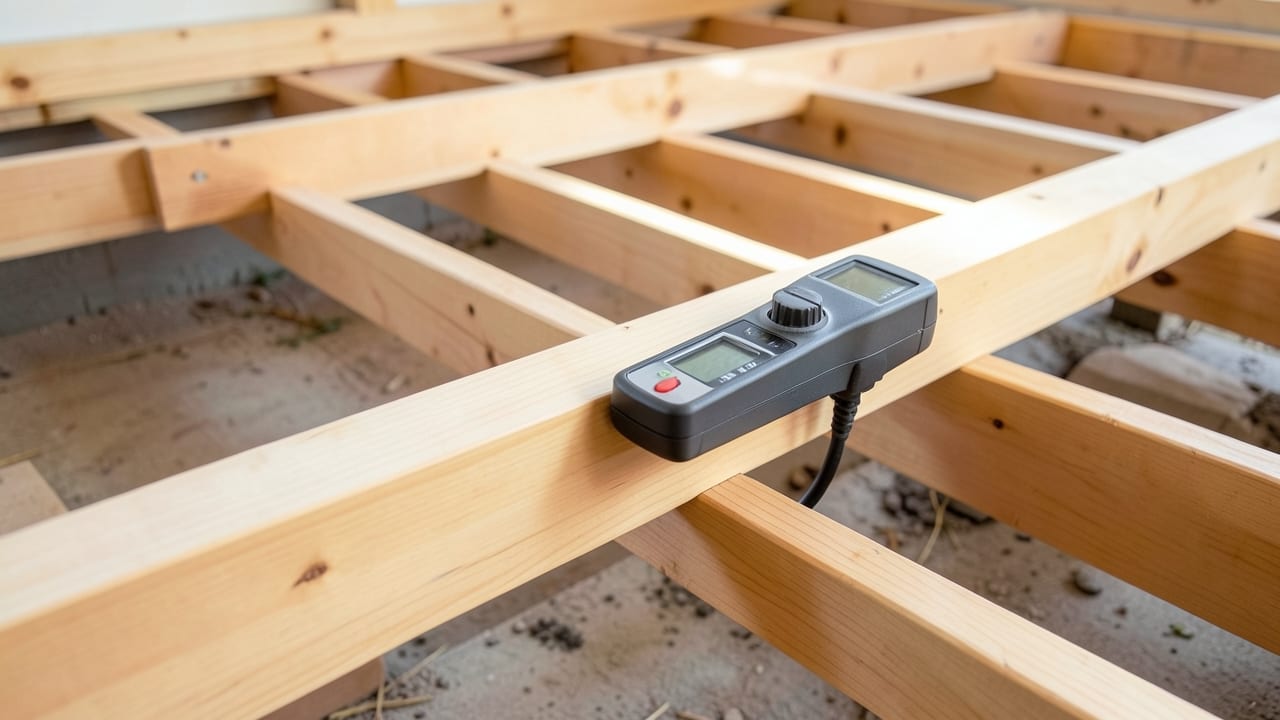
Spring Mold Inspection in Indian Rocks Beach, FL
Professional assessment and identification of mold growth in homes.
Learn More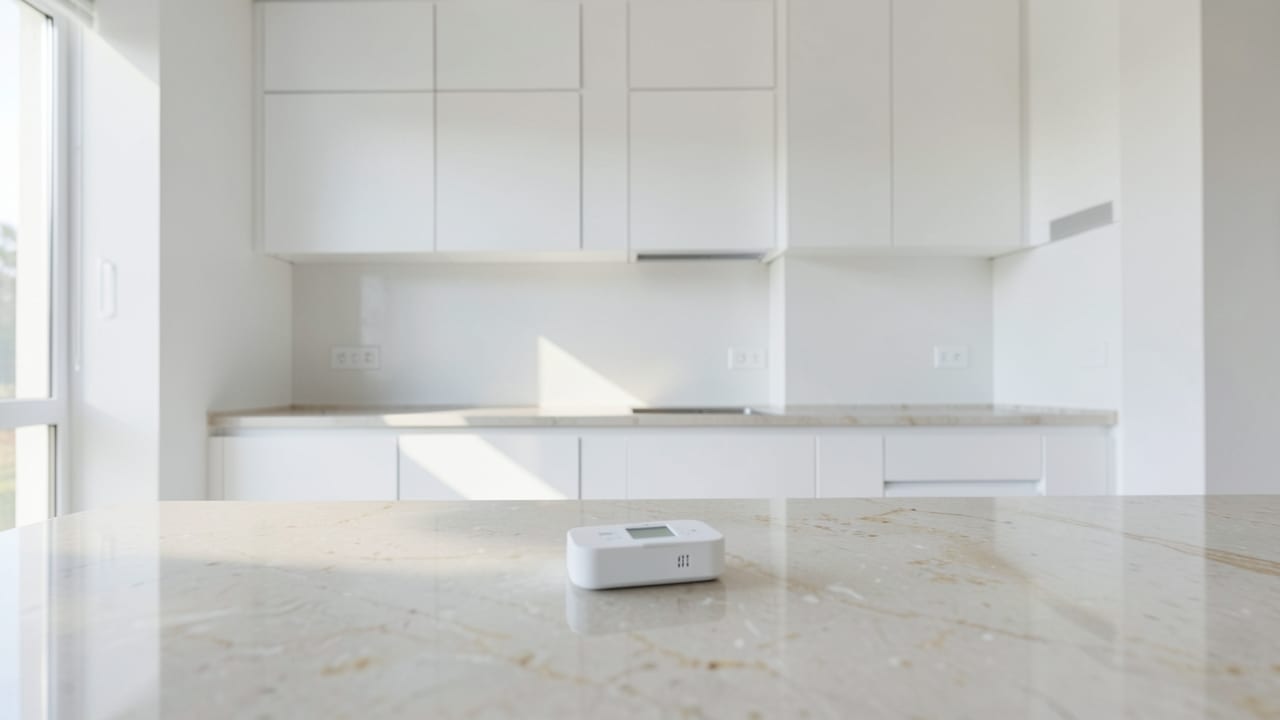
Move-In Mold Assessment in Indian Rocks Beach, FL
Professional inspection and assessment of mold presence before moving into a property.
Learn More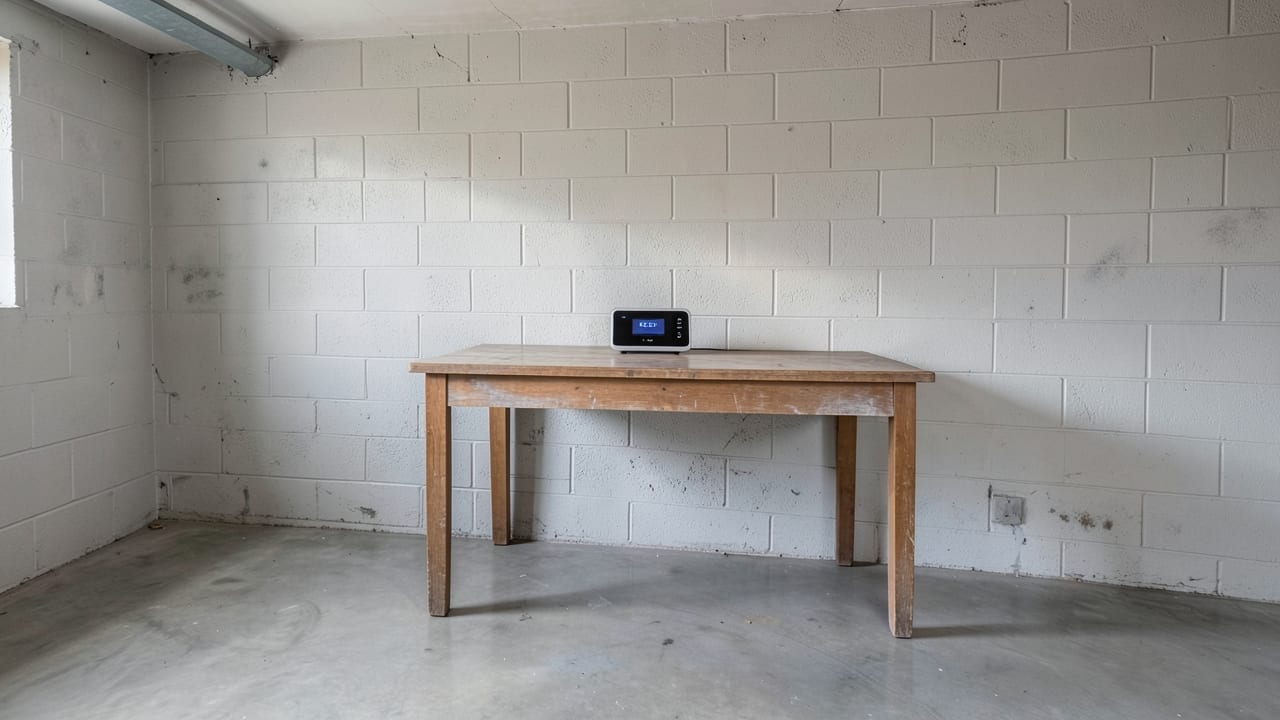
Pre-Sale Mold Clearance in Indian Rocks Beach, FL
Pre-sale mold clearance involves inspection and testing to confirm a property is mold-free before purchase.
Learn More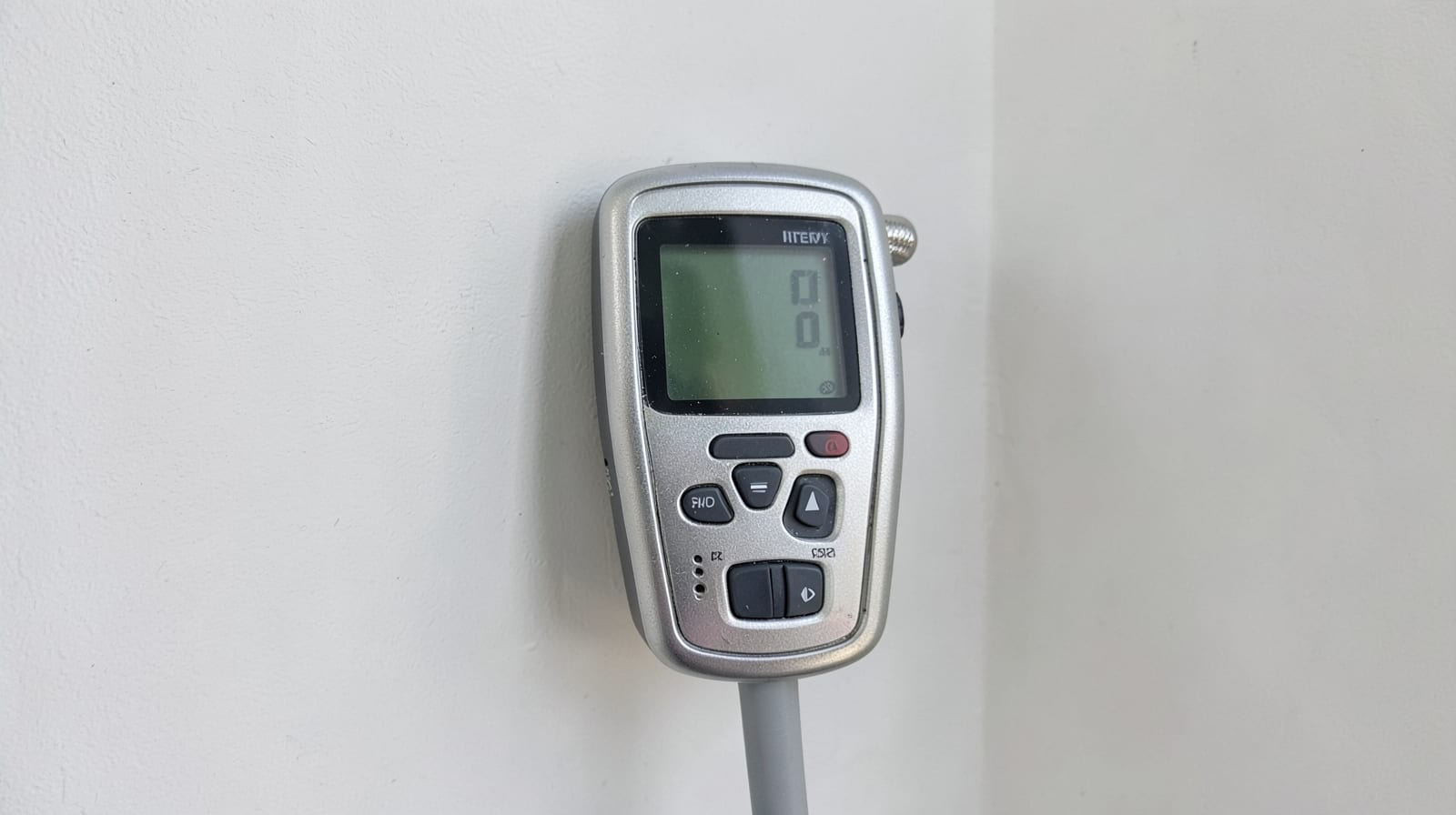
Mold Inspection in Indian Rocks Beach, FL
Mold inspection in Indian Rocks Beach, FL — a visual and moisture-meter assessment that finds the source of growth, not just the visible spot on the wall.
Learn More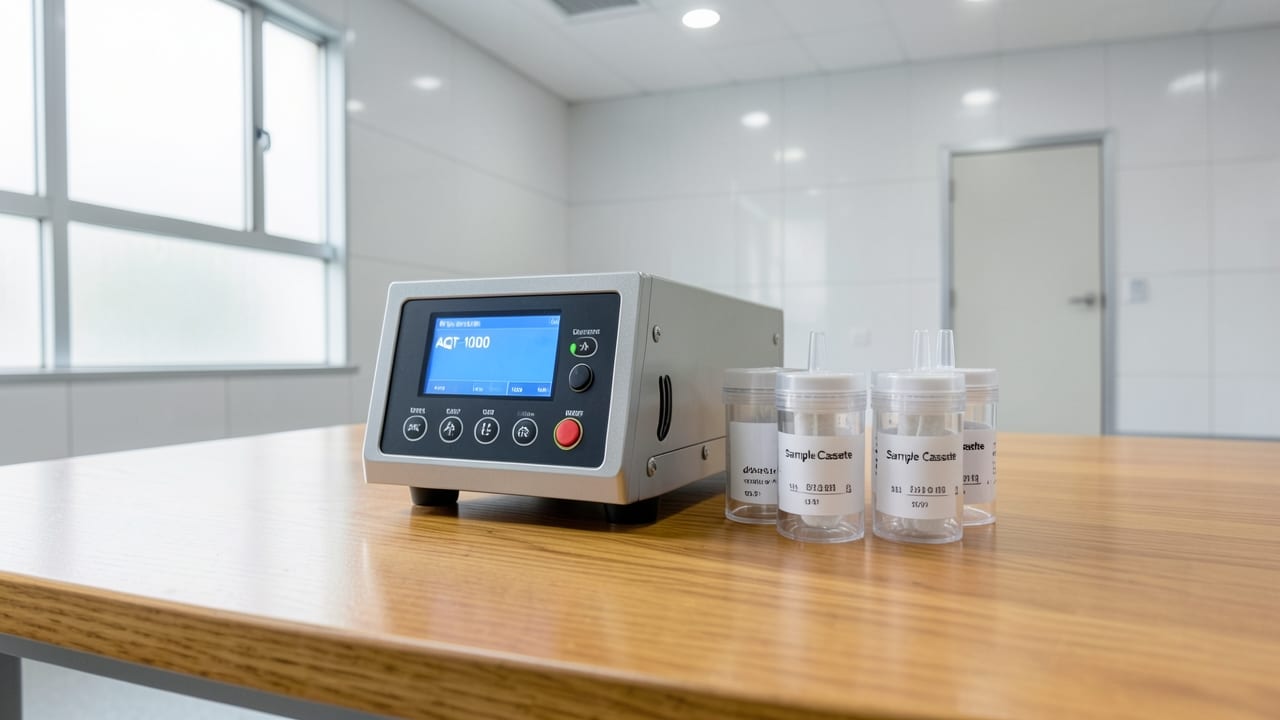
Mold Testing & Air Quality Testing in Indian Rocks Beach, FL
Mold and indoor air quality testing in Indian Rocks Beach, FL — lab-analyzed air and surface samples confirm what's actually growing and whether it's airborne.
Learn MoreCommon Questions About Mold Remediation in Indian Rocks Beach
Everything you need to know about mold remediation services in Indian Rocks Beach
How much does Fire Smoke Mold Remediation typically cost in Indian Rocks Beach, FL?
Why does Indian Rocks Beach, FL's humidity make mold a bigger risk than in drier regions?
Is it safe to stay in the home during mold remediation?
Can small mold problems be handled without hiring anyone?
What's the actual difference between mold removal and mold remediation?
Is a final clearance test part of a typical mold remediation job?
Need Mold Remediation in Indian Rocks Beach?
Connect with local providers in Indian Rocks Beach for a detailed quote.
⏰ We answer your call • Serving all of Indian Rocks Beach and surrounding areas